Author: staceymeeker

  • The Enormity of Antisemitism

    “The Jews . . . and the bicyclists”

    On October 24, 2024, an item appeared whose title is both unsurprising and outrageous: https://worldisraelnews.com/professor-of-international-law-calls-sinwars-killing-murder-demands-war-crimes-probe/

    The idea of accusing Israel of a “war crime” for “murdering” the mastermind of last year’s massacre, who (after being cured of a brain tumor in an Israeli hospital) had served as the commander of Hamas’ terrorist troops is not simply “absurd”: it provides a simple measure—or what the French would call démesure—of what antisemitism really is. The same phenomenon occurs when our “progressive” students accuse Israel of “genocide” for responding to the 10/7 pogrom, and mainstream political figures like Kamala Harris go out of their way to affirm that these accusers “have a point.”

    The world is full of injustices and political murders, but we all know without thinking about it that Israel, the Jews, are the only people who could conceivably be accused in the world media of “murder” in such cases. No Western law professors accused the US of murder for killing Bin Laden, although he was presumably not given a chance to surrender peacefully.

    We are so habituated to this phenomenon that we no longer find it in any way anomalous. This Canadian professor, Heidi Matthews, a Harvard graduate who considers Hamas’ Simchat Torah pogrom a legitimate act of “resistance,” may not be representative of the Canadian population as a whole, but she is certainly a respectable member of the academic community, and is most unlikely to suffer in any way from this statement.

    Yet its enormity is indisputable. Is it not understandable that Jews explain antisemitism as a mental disease? Except that it is not a disease of an individual’s mental faculties; it is a social phenomenon. The fact that only the Jews are accused in the public media of such “crimes” is a simple demonstration of the extraordinary anomaly of Jew-hatred—as are the numerous condemnations of Israel by the UN, and its frequent denunciations by heads of state around the world.


    The following is a more nuanced, and perhaps more telling example. In an October 22 article on the JNS (Jewish News Syndicate) website (https://www.jns.org/ex-french-fm-natural-to-be-antisemitic-after-the-damage-by-the-idf/), Bernard Kouchner, a former French Foreign Minister, whose paternal grandparents “were Russian-born Jews who immigrated to France and died later at Auschwitz,” is quoted in an interview as saying “How can you not be antisemitic when you see the damage done by the Israeli army? Look at Gaza, it’s a field of murder and disaster.” In a later passage, he adds, “Of course, there were Hamas attacks on Oct. 7. And God knows that revolted me. But to take revenge with 40,000 dead [a figure supplied by Hamas], if the figure is true…”

    “God knows that revolted me” is an interesting way of claiming to be “revolted” when in reality all the “revolt” we hear in this interview is aroused by the undoubtedly spurious figure of “40,000 dead,” described not as the unfortunate result of military action, but as “revenge.” The “Hamas attacks” (no need to mention the 1200 or so Israeli deaths) are merely the preface to “But,” presumably viewed as understandable revenge for years of mistreatment—although there had been no Israelis stationed in Gaza since 2005, despite Hamas’ constant missile launches at civilian targets (which provoked the limited incursions called “mowing the grass”)—whereas the deaths attributable to Israeli military action are called “murder and disaster.” And this from a man who lost both paternal grandparents at Auschwitz.

    Kouchner, co-founder of the humanitarian Doctors Without Borders, concludes the quoted conversation on a sickeningly sanctimonious note:

    A lot of people have been massacred. It’s a murderous reaction. I’m not satisfied with that. . . . I’ve spent my life caring for people.

    Note the reprise of “murderous” along with “massacred,” as though the IDF weren’t soldiers fighting a war but, like the Hamas-led mob on 10/7—with whom Kouchner associates no word of violence beyond “attacks”—were a “murderous” mob “massacring” unarmed civilians.


    We are so used to this kind of thing that it seems useless to feel shocked and disgusted by it. No doubt we should feel shocked and disgusted; but that is not enough. We must understand that this is antisemitism, a euphemistic term for a phenomenon that is better described as Jew-hatred, Judenhass, a phenomenon that, as the Kouchner example shows, has a great deal of mimetic power not merely over “antisemites,” but over a certain type of Jew or near-Jew who fears that his sensitivity to Jewish evil might be questioned.

    The point that we miss because it is so obvious is that we need to explain why there is in the world no other comparable hatred, the archetype of what we may call ontological resentment—resentment of a people that can be imagined to consider itself as closer to the sacred than any other, whether or not it speaks of itself as “[God’s] chosen people.”

    If white Woke self-hatred is a caricature, it is of this. Our land acknowledgements and Columbus-denunciations seek to disculpate ourselves of the sins of long-dead ancestors who thought themselves entitled to the lands of the New World, but the “ancestors” that we moderns are really able to hate are made all the more hateful by the fact that their descendants are not only still living among us, but have dared to attempt to restore their original community in the era of the nation-state.

    The phenomenon is familiar, but even those who have studied its historical manifestations have shied away from seeking to explain its anomalous nature. Everyone has “prejudices,” but this is no simple “prejudice.” It participates in a quasi-universal conspiracy—one once limited to the West, but now world-wide—to take the side of even the most monstrous enemies of Israel. What Israel has done for the Jews is immense, as has been its contribution to contemporary science and industry; but as the nation-state of Israel, the Jewish people can be hated in a far more public and supposedly neutral way than as “the Jews.”

    Prof. Matthews’ and M. Kouchner’s accusations provide us with the occasion for a “learning experience.” These demonstrations of sympathy for the perpetrators of the most deadly massacre of Jews since the Holocaust reveal how central Jew-hatred remains, both to Western civilization and to its extensions to the rest of the largely anti-Western world—a hatred all too visible in the United Nations.

    The Deferral of Mimetic Desire: Jews, Christians . . . and Muslims

    Anyone familiar with René Girard’s writings on mimetic desire will see the connection between two contrasting effects of our increased mimetic capacity: on the one hand, the origin of the human scene of language and religion; antisemitism on the other. On the one hand, the need to restrain our mimetic facility provided the impetus to deferral, Derrida’s différance, which is to say, to the scenic space, Sartre’s néant, of freedom, conscience, morality, language and religion, sanctifying the symmetry of the human community through the mediation of signs. On the other, it gave an impetus to mimetic violence, the multiplication of intraspecific aggression by the same means that provided for its prevention, that is, the deferral of instinctive action in the free space of the scene, on which we communicate through signs about the objects of our common desires, whether for cooperation or for mayhem.

    Yet whereas Girard tried, I believe unsuccessfully, to trace the origin of the human community to what he conceived as the primordial form of the scapegoat phenomenon, GA’s originary hypothesis begins with the discovery of the deferral of instinctive action and the conversion of its gesture into a sign. The origin of language is understood as the inaugural effect of a sacred self-restraint that allowed for the first equal distribution of food and/or other possible objects of common desire in what should consequently be called the originary human community.

    For Girard, the human begins with the “emissary murder” of some marginal member(s) of the proto-human group in an attempt to turn away a collective disaster such as a plague (recall the plague among the Greeks on the first page of the Iliad) by sacrificing a marginal figure who, in the image of the Old-Testament scapegoat, would be indifferently blamed for the disaster and burdened with the community’s collective sinfulness that may have brought it about. But this can only be a later development reflecting the institution of social hierarchy; the hunter-gatherer societies encountered by anthropologists seem inevitably to practice a rigorously egalitarian distribution of, e.g., the meat from large animals scavenged or brought down by hunters in order to prevent any possibility of differential resentment.


    As a first approximation, we can say that Judaism understands the central defense against the sinful effects of mimetic desire as the respect for God’s commandments. I can still recall, at lunchtime during a conference, Girard reading through the Ten Commandments as if for the first time, pointing out the obvious insistence on the mimetic in, e.g., “Thou shalt not covet thy neighbor’s wife…”

    In contrast, for Christianity the Crucifixion demonstrates that acceptance of the authority of God the Father standing above and outside the human world is insufficient to sustain human obedience; the sinfulness that led to the expulsion from Eden would eventually lead to the universal rejection of God’s representative on Earth, and thereby of God himself. But through this very rejection, through the universally shared experience of killing the Son, the human embodiment of the sacred will, we discover its permanence: not as a failed divinity but as one whose love for humanity has made necessary the Father’s embodiment in human form and subsequent sacrifice and resurrection.

    The original Christians were Jews, and like the Jews of today, they saw HaShem as ontologically incompatible with mortal humanity. The prophets were revered in memory, but in no sense “persons” of God. In that context, Saul’s conversion on the road to Damascus must be seen as a revelatory act that modified (our understanding of) the ontology of the sacred itself. From merely expressing Saul’s sense of guilt for persecuting the Christians it becomes the revelation that the sacrificed Son whom they continue to worship was no mere temporal victim, but an intrinsic element, a person, of God the Father, one whose function is to offer salvation to his human persecutors by demonstrating our inability to destroy, even through physical death, the transcendental providence that allows the preservation of our species.


    Although there is no doubt that the historical Jesus was crucified by the Romans, not the Jews, it is difficult to contest the fundamental New Testament theme that, assuming that the Crucifixion indeed took place, it was performed at the behest of the Jewish authorities, or at the very least, in accordance with their wishes. What might be called the originary trope of antisemitism, calling the Jews “Christ-killers,” cannot be dismissed as a mere fiction. And it is consequently easy to understand that the persistence of the Jews within Christian societies over the centuries would be seen as evidence of their continued spiritual blindness, their inability, after taking the sacred beyond its primitive stage to the notion of the One God, to accept the necessity of this new revelation that reflected God’s decision that the Son, who had presumably existed from the beginning, had to be sent into the world at this moment, killed, and subsequently resurrected in order to perpetuate the promise of salvation in societies more complex than those of the Old Testament.

    What is more difficult to understand is that the decline of the power and influence of the Christian churches in today’s postmodern era would be accompanied, on the one hand by the disappearance of the Church’s hostility to the Jews, as reflected in John Paul II’s designation of them as “elder brothers,” but on the other, by the amplification of this hostility as a rallying point of political ideologies. Whence the conundrum posed by the persistence of this founding element of the Abrahamic posterity, not merely in the realm of Jihadist Islam, whose founder can be said to himself provide the model, but in the secularized West, where it is obvious that the choice of the Jews as objects of hatred is independent of any grounding in even the most remote historical experience. Whence our intellectual elite’s near-universal identification, as the victims (and certainly not the aggressors!) of the Gaza war, with the Palestinians—this “new” nation whose very definition is that of being persecuted by the Jews, whence the UNRWA’s unique perpetuation of their status as “refugees” unto the nth generation.

    Clearly the catalyst of the reemergence of antisemitism in the West after WWII was simply the creation of Israel itself. A major reason why Israel has continued to have difficulties with neighboring Muslim nations has been the more or less severe antisemitic reaction to Israel among the various Western nations, which in the case of Ireland and Norway, and to a lesser extent, Spain, England, and France (and even the US), had been visible well before 10/7. The fact that the egregiousness of the Hamas pogrom gave rise to only the most ephemeral surge of indignation among “respectable” non-Jews in the West and was almost immediately replaced by horrified reactions to the Israeli response—including the readiness with which Israel was falsely accused of bombing a Gaza hospital—demonstrated the persistence of a latent hostility that could be said to have been awaiting a triggering event, a fact surely grasped by the planners of the pogrom.

    It is the very idea of a “Jewish state” in the modern world that arouses suspicion and predisposes to hostility. The idea that the unique landless status of the Jews could be normalized by creating a Jewish nation-state comes up against the paradox that, having been unique among all peoples in their persistence without a territory of their own, as a state they would only become all the more so, not to mention the fact that, starting from the Balfour Declaration, Israel was created at the very end of the colonial era from what can only be described as colonized territory.

    No doubt had the Arabs accepted the originally envisioned idea of a symmetrical Arab/Muslim state, this problem would presumably not have arisen. But given the fact that the Mufti of Jerusalem spent the war years in Berlin urging Hitler to exterminate the Jews of the Middle East, it was surely utopian to think that a territorial division, including a shared Jerusalem, would be accepted by the Muslims, who have had no compunction in denying the Jews’ historical roots in the city, and consider “Al-Aqsa” as sacred Waqf territory. Islam may have given up on reclaiming Spain, but, after having looked forward to the Jews’ complete eradication, to find a Jewish state in their very midst was a step too far.

    Yet Muslim hostility alone does not explain the willingness of European countries to support their cause. What does in part is the fact that Hitler’s final solution itself reflected a reality of the end of the colonial era: the impracticability of his original idea of deporting the Jews to Madagascar or some other extra-European location. As a consequence, at just the moment when European colonies were being granted independence, the survivors of the Holocaust were placed in a role that could be interpreted not only as usurpation of territory belonging to the Muslim Waqf, but as an offense to the new post-colonial mentality. For whereas our “land acknowledgements” are virtually entirely symbolic affairs, the local Arabs’ claim of prior residence in the territory of Israel, whether or not founded on long-term habitation, gave the newly baptized Palestinians the victimary credibility that assured the failure of the Oslo process, inspiring them to reject the generous “two-state solutions” proposed by Israel and to form militant terrorist movements—all of which has not prevented the rest of the world from continuing to insist on such a solution, as though it were Israel that had rejected it.


    The most significant question from the perspective of what we might call the historical dialectic seems to me to be what we must learn from the quasi-paradox that, in an era when victimary minorities are accorded a moral recompense that conflicts with egalitarian norms, the one minority group that has been, both traditionally and presently, the most frequent victim of assaults and insults is consistently counted on the side of the oppressors. No doubt most Jews encountered in the West are “white,” but their Jewishness, rather than granting them minority status in the same sense as, for example, white homosexuals, is viewed rather as an aggravating factor. From an intellectual if not from a moral standpoint, the beauty of this designation is that it restores the Jews in the West to their medieval role as the scapegoat people, reviving the old blood libels in a new form—and thereby confirming once more the “firstness” of the Jews in the Abrahamic world, which is to say, in Western civilization.

    However unfortunate it may have been for the militantly secular Moshe Dayan, following Israel’s victory in the 1967 “Six-Day War,” to blithely place the Temple Mount under the control of the Waqf, he was unknowingly and paradoxically confirming the transhistorical scapegoat role of the Jews. Mahmoud Abbas’ disgust at the idea of the Jews’ “filthy feet” desecrating what had been the original locus of their own temple centuries before the appearance of Islam exemplifies in its very paradoxicality the essence of antisemitism.

    No series can exist without a first element; but unlike Christianity, which seeks dialectically to transcend and include its “elder brother,” Islam, the final stage of the Abrahamic dialectic, seeks to usurp the place of the first through its simple denial. The principle is that the denial of the other’s priority will by its very “absurdity” demonstrate the faith that will insure one’s triumph. As with the “absurd” Resurrection of Jesus as Christ, but in a far cruder fashion, the firstness of the Hebrew Temple will be not transcended but simply negated by that of the Islamic mosque.

    Whence the scandal for the decreasingly Christian West of the perpetuation of the Jewish claim to Jerusalem and its surroundings. But is today the radical Muslims who alone of all non-Jewish religious groups have the courage to seek martyrdom—to “love death”—in order to reject this claim, with the confidence that they will be compensated by an eternity of bliss far exceeding the pale joys of Dante’s Paradiso.

    If Israel continues to take a strong stand, even without the active support of its “allies,” this faith, like so many others, may not endure beyond another generation. But at present, what is yet more significant than the faith of the Islamists is the evident need of the West’s “respectable” Left to protect it from destruction. I need merely remind the reader that Taylor Swift, today’s embodiment of youthful respectability, has endorsed Kamala Harris in the coming election.

  • Further reflections on the sacred

    I don’t believe the word “sacred” appeared in my The Origin of Language (TOOL), which appeared in 1981. Now, 43 years later, I think more and more about the sacred, not in order to “turn to God” but to understand the sacred as indeed part of the human, an aspect that, through the Incarnation, Christianity pushes as far as it can within a religious framework, that is, one that takes for granted the ontological and indeed chronological priority of the sacred in the extra-human mode we call the divine to our cognition of the profane world which we inhabit.

    We all have at least a passing familiarity with the religious understanding of the sacred. I have no desire to contest this understanding. My interest is rather to translate it into anthropological terms, not to “destroy people’s faith,” but—in an era where increasing numbers no longer admit to faith of any kind—establish a homology between religious faith and an anthropological reality that simply brackets its otherworldly component: that understands the sacred entirely as an anthropological phenomenon independently of one’s answer to the question of whether it can function only in a religious context. All this, of course, with the understanding that the belief in this reality is by no means arbitrary; it is central to the social, the “scenic” world in which we live. It is only in the somewhat artificial world of intellectual exchange that we can attempt to abstract from any specific communal context to discuss “the sacred” as a phenomenon in itself. And it is not accidental that, unlike “the good,” the sacred is not truly a metaphysical category—for, unlike the typical adjective, it cannot be given a generally agreed-upon empirical definition. (Here the reader is referred to the discussion in my “Plato and The Birth of Conceptual Thought”; https://anthropoetics.org/journal/ap-vol-2/ap0202/plato/ ) of Plato/Socrates’ attempts in the Euthyphro at defining the sacred (normally ἱερός) in terms of social practice rather than seeking its “objective” essence.)


    The sacred in the originary scene is minimally defined as the external agent of our conscious choice of deferral in aborting the “natural” gesture of appropriation, thus providing the basis of the first sign. And it is certain that this choice cannot be understood as merely subjective. The awareness of the others’ sharing one’s interest in the desire-object makes the appropriative gesture a possible source of conflict, and by the same token establishes a symmetry among the members of the group that binds them together not merely out of fear of conflict but in a communal consciousness that reinforces their prior connection as members, say, of a hunting party, but above all connects their common objective of obtaining sustenance for themselves and their dependents with the necessity of respecting each other’s “equal” status. The shared sign, which by designating the object of general interest/desire is the guarantee of this symmetry, embodies a new understanding of the aborted gesture that emerges from the scene in which the participants find themselves. We can imagine that those more sensitive to the sacred quality of the intuition that commands deferral in a sense impose it as a model for the others, but the resulting egalitarian equilibrium is clearly of benefit to all. Thus is inaugurated a communal unity whose members are linked together through the deferral of appropriation and the symmetrical/ritual emission of the sign.

    The connection between the sacred and the community is marked in many texts of the New Testament, where Jesus speaks of his presence whenever his followers come together in communion; e.g., in Matthew 18:20: “When two or three are gathered together in My name, I am there in the midst of them.” But clearly the sacred as a separate concept is not reducible to the good of the community. If we understand the sacred as the voice of our conscience, then its authenticity as sacred is independent of its worldly results; whatever the value of utilitarian calculations in a given circumstance, they cannot supply the ground of the sacred.

    Which is to say that the community itself has no magical assurance of the value of its collective judgment of its needs, and above all of its justification. It is the latter that most easily explains the value of the sacred. Utilitarianism is not capable of defining and/or replacing the sacred, which we can only conceive as an indisputable a priori source of moral judgment.

    To cite a famous example, Kant affirms that we should never lie, e.g., in his essay On a so-called right to lie out of love for one’s fellow man:

    To be truthful in all declarations is, therefore, a sacred and unconditionally commanding law of reason that admits of no expedience whatsoever.
    (https://www.degruyter.com/document/doi/10.1515/kant-2023-2043/html),

    But as for applying this precept to, e.g., a Nazi soldier asking if there are Jews in the cellar, it is clear that this judgment does not correspond to the normal person’s sense of morality, nor a fortiori to that which we would attribute to God. On the contrary, Kant’s affirmation is a reductio ad absurdum of his position: if his critique of practical reason leads to this conclusion, then we simply cannot accept it.

    Indeed, we should see this anomalous conclusion as an indication of the reductio ad absurdum of metaphysics, grounded in its fetishization of language. Words are not sacred nor is their “truth”: the use of language is at all times instrumental, and there are surely few for whose conscience the morality of using a lie to protect an innocent’s life does not simply go without saying. The function of signs is to allow us to deal with reality without consuming it; there is no moral value in the signs themselves. God, to the extent that we postulate a Being who guarantees moral judgments, is precisely not understood as a sign, but as a real being whom we normally know only through signs, but whose appearances in the real world cannot be simply denied.

    A “mind,” whether divine or human, transcends its objects, which is to say that it is not limited by moral considerations in thinking whatever thoughts it likes. The whole point of language, of signs, is to liberate the mind from the life-world: to bring into being a scene of representation that can be shared with others without putting in question worldly realities. The function of God in this situation, to bracket the question of his reality, is to make clear what are our worldly moral choices, that is, those that accord with the good of the human community in the broadest sense, which we as humans cannot possibly know with certainty, but must seek as an ideal. To claim that God exists is essentially to say that there is truly a right decision in every case, and that he would not let humanity be bereft of the possibility of such a decision.

    The Christian notion of Christ’s love is a “humanization” of God’s love for humanity that seeks to assure us that, save in its certitude of affecting reality, divine love is not distinct in principle from human love. Thus the agony of the Cross may be understood as a test-demonstration of this ultimate unity, of Jesus-as-human loving humanity so much that his love was always-already divine. In this sense, the Resurrection was miraculous “in reality,” but not in essence.

    Morality vs Ethics

    This distinction, which is rarely made in explicit terms, reflects the degree to which the situation we are judging seems to us to embody the fundamental structure of the human scene that exemplifies the primary function of the sign: the enabling of symmetrical exchange in the place of a necessarily asymmetric and potentially conflictual appropriation. In the absence of a legitimized differentiation among a society’s members, ethics and morality are one. Thus our basic sense of morality is illustrated spontaneously in encounters between strangers, where, in the absence of an opportunity for equal division, deferral is the rule, as in my pet example of the two party guests and the last canapé. No doubt we do not think of the sacred in this context, yet this experience is a reenactment of what can be conceived as the originary scene of deferral, the first “act of conscience.” Which is to say that our first experience of the sacred is as a “commandment” that we experience as internal to ourself and yet imposed on us as a moral obligation to defer what would be our “instinctive” act, in this case, to take the canapé.

    The complications that social differentiations add to morality, which I am calling ethical, are never equally spontaneous. Presumably experimental psychology would be able to distinguish between the physiological correlates of the two categories, but in any case it is useful to make this distinction to remind us that although the moral choice is not itself “instinctive,” it is a fundamental element of human experience unmediated by any specific social order, although of course it must be be subordinated to it in many situations.

    Similarly, Western monotheism is grounded in the idea that on the moral plane, all peoples are ontologically equal, to be judged by the same criteria, so that HaShem’s “election” of the Jews is not a judgment that this people should either reign over all others or convert its members to their religion, but a choice of it as the receiver of His revelation so that it may serve as a “light unto the nations,” a light that shines with the power of the One God.

    And no doubt inevitably, what has been experienced from without as the arrogance of this assertion has provoked the millennia of Jew-hatred whose perpetuation is so evident today. But the latter in no way invalidates its claim of historical authenticity. Nor is it a matter for the Jews of a necessary “sacrifice,” of purification through suffering. It is simply the case that in a world of imperfect beings, this claim risks being taken as an assertion of superiority, such that those excluded from it are likely to resent itunless or until they reach the point, as the Catholic Church appears to have done under John Paul II, of accepting the Jews’ status as “elder brothers”—all the while recalling that in Genesis it is frequently the younger brother (Abel, Jacob, Benjamin) who makes the most progress.

    One might speculate that now that the two older Abrahamic religions have in principle become reconciled, future reconciliation with Islam is not inconceivable. Whence the importance of the Abraham Accords—and of their enemies’ attempts to weaken them to the advantage of Iran and its anti-Western allies.

    We need say no more for the moment on this subject.

  • The Elder Brother

    This Chronicle is dedicated to the memory of the martyrs of last October 7 and of the sufferings they endured and continue to endure.


    A long-time Girardian once called me the group’s “elder brother,” clearly thinking of John Paul II’s use of that term to designate the Jews, but primarily of the fact that I was, according to Benoît Chantre’s definitive biography (René Girard: Biographie, Grasset, 2023; p. 417) Girard’s “premier étudiant sérieux.” It has always been a point of pride that I am almost certainly the only one of Girard’s doctoral students who had never heard of him before I arrived in Baltimore. It was during my first year there, in 1960-61, that he published the book that remains his masterpiece—and surely his best-seller—Mensonge romantique et verité romanesque, a study of the modern novel from Cervantes to Proust—a title whose English translation, “Deceit, Desire, and the Novel” is far from doing it justice.

    Girard’s fundamental intuition was that the human is defined even prior to language and culture by the fundamental role of mimetic desire. It is remarkable that he was the first to understand the foundational significance of something familiar to everyone, but whose uniquely destructive potential, while recognized by religion, had never been the central element of an anthropology, a theory of the human. All of Girard’s succeeding works were attempts to develop this intuition by focusing on religious, ethnological, and cultural texts, while elaborating his theory of human origin based on “emissary murder.”

    Whatever differences I may have had with Girard, I have always remained faithful to his central idea that desire as he describes it is the basis of what Christians call “original sin,” and accordingly, the root of the culture humanity has erected as a means to counter its potential for inciting conflict—a never-ending project, and one increasingly fraught with danger given our ever-growing capacity for violence.


    I raise these points here in order to examine the link between mimetic desire and the hatred of the “elder brother” that we have come to call antisemitism, an example of mimetic violence not long ago thought a relic of another age, but which with the waning of the memory of the Holocaust over the last decades has become increasingly important, and whose unexpectedly crucial role in world civilization has been sharply underlined since the pogrom of last October 7 by a shocking proliferation of antisemitic violence in the US as well as Europe and the Middle East.

    Although Jewish by birth and never tempted by conversion or denial, I have a very limited background in what Jews find uncomfortable in calling their “theology”: the detailed study of the Hebrew Bible and the many volumes of commentaries beginning with the Talmud. But as I am convinced that the future of generative anthropology lies in breaking down the barrier between religious thought and other forms of human self-reflection, given the seminal role of Hebrew religion in the formation of the West and consequently of the modern world that was its invention, the persistence of this seemingly medieval hatred, like mimetic desire itself, seems to be of far more profound anthropological significance than we are accustomed to give it, a significance that I do not feel that I or anyone else has yet fully succeeded in explaining.


    Although we do not lack excellent histories of antisemitism, when asked to explain its remarkable persistence, the most learned scholars can do little better than to speak of it as a “prejudice,” a “disease,” a form of folly. Let me repeat once more the Great War joke Hannah Arendt tells at the start of The Origins of Totalitarianism:

    An antisemite claimed that the Jews had caused the war; the reply was: Yes the Jews and the bicyclists. Why the bicyclists? asks the one. Why the Jews? asks the other.

    We are reminded that all the studies of antisemitism throughout the ages have failed to provide a really convincing explanation for its millennial persistence, all the more now that the world’s immense potential for Jew-hatred has once again been demonstrated in no uncertain terms.

    Adam Katz’s and my The First Shall Be the Last: Rethinking Antisemitism (Brill, 2015) was a preliminary attempt at focusing on this question, although these loosely connected essays are far from providing a structured articulation of the significance of antisemitism in Western and world civilization. But now that Jew-hatred has so strikingly demonstrated its continued ability to renew itself after the Holocaust, it should be clear that we must persevere in our attempt to understand its amazingly tenacious link to Western culture—and through it, to the “post-colonial” world of the “global South” that sees in Israel the last and presumably the “true” archetype of the colonial state. It is as a result of this new focus that the population of local Arabs have baptized themselves “Palestinians”—a term at first used for the Jewish settlers from Europe—and that Israel’s attempts to defend itself against their “anticolonial” violence have been shamelessly characterized by a majority of the world’s nations as “genocide.”


    I believe that we should take this not as just one historical quandary among others, but as an, even the exemplary problem for generative anthropology in bringing together the question of the social organization of the sacred, that is, religion, with the basic “triangular” structure of mimetic desire as defined by Girard. The rivalry, in this case, is over the nature of the sacred will that the Hebrews were first not merely to conceive in the context of “monotheism” but to both define as unique for all humanity and provide in support of this definition a coherent document of sacred chronology connecting the Creation to their people’s worldly history down to the present. The Phoenician invention of the alphabet quickly adapted to the Hebrew language, the high level of literacy among the Hebrews at the time, as well as the growth of literacy in the surrounding cultures, gave the Hebrew Bible its unique status among the world’s holy books—a status that Judaism’s “successor religions” could choose either to supplement or deny, but not ignore.

    As a point of comparison, we should keep in mind the wholly different reaction of this same proto-Western world to the Greeks, whose influence over its cultural, political, and intellectual institutions was far greater than the Hebrews’. Mimetic rivalry was a phenomenon of which Greek culture itself was anything but ignorant, yet the cultural priority of the Classical world was and remains simply unquestioned, and the very idea that other cultures could be obsessed by such rivalry to the point of hating the Greeks seems inconceivable.

    To sum up, Western culture is a unique configuration whose world dominance, barring a catastrophic civilizational breakdown, is effectively insuperable, since the techniques by means of which a contemporary non-Western nation such as China might attain world dominance, whatever its achievements in the past, are all of Western origin, including in the first place the Marxist political system by which it is administered. And Western civilization is indelibly marked in all its works by the originary role of the Jews in its sacred history, and concomitantly by the seemingly indelible mimetic hostility this originarity continues to arouse.


    If these premises are accepted, then the first historical conception that we must discard is that of the “end of history,” except of course in the sense that a cosmic catastrophe may—indeed, probably will—put an end to human civilization. But not in our necessarily time-bound perspective on world history, which at present is obliged to contend, if not with the continued dominance of the “West” in a geographic sense, yet with the dominance of techniques and institutions whose Western provenance is far from forgotten and will no doubt remain so for some time. The very idea of the “South,” as the rivalrous successor to the presumably subordinate “Third World,” suggests that the foregrounding of this rivalry will dominate at the very least the coming decades.

    This being the case, the question of antisemitism comes down to that of whether, now that the key civilizational rivalry is no longer within the West, as it was still in the Cold War, in which the two rival systems could still be cast in the mold of the Right-Left division of the 1789 French National Assembly, the sacred/scapegoat role of the Jews will continue to preoccupy the domain of international relations. We cannot know whether Israel will remain for an indefinite time a major focus of international tension, or will come to be accepted in its uniqueness—as could conceivably become the case if Iran, whose population is far from in general agreement with its rulers’ apocalyptic Shia antisemitism and anti-Americanism, rejoins the secular world.

    Thus one might wish to take a quasi-optimistic view of the current conflict as an opportunity for the West finally to purge itself of its Jew-obsession and along with it, its victimary resentment/guilt, and thereby transition to a happy pluralistic future… Except that, as we have seen, with advances in technology, the danger of totalitarian domination and violence have only increased, and the unanticipated growth of a “liberal” version of antisemitism in the American Democratic party as so to speak the capstone of its increasing dependence on victimary thinking is quite the contrary of a sign that the American Left is evolving back toward what we can call traditional liberalism. Renegades such as Robert Kennedy Jr. and Tulsi Gabbard may reflect the liberalism of an earlier generation, but the “respectable” position of deploring Israel’s efforts to defend itself is far more characteristic of the party today.

    Were Donald Trump not the Republican candidate, things might be different; the danger of electing Kamala Harris, surely the least qualified presidential candidate in memory, if not in American history, would be far less were she obliged to debate Nikki Haley, whose similar “intersectional” qualities would neutralize her own and reveal far more starkly the two ladies’ egregious difference in competence and governmental experience. The genius of what should be called the Pelosi presidential strategy of bait-and-switch has been wholly dependent on the Democrats’ ability to focus on the personal quirks that made Trump the only lucid Republican candidate in 2016, but which have by now lost much of their charm and political value. Thus one might wonder whether the Democratic strategy was planned in advance of its execution—or even whether Biden’s shocking demonstration of incompetence in his debate with Trump was something other than an inevitable result of the aging process.

    Speaking merely from the point of view of the need to oppose and ultimately destroy antisemitism as a political force, the fact that one can speculate that a different Republican candidate might have made a major difference suggests that what has come to appear the inevitable return of antisemitism to the political foreground was rather a tactical than a strategic phenomenon. And had the 2020 election been conducted in the traditional manner without, at the very least, the considerably increased opportunities for irregularity, and Trump been reelected, the Middle East might today be a very different place, the “post-colonial” trend in American politics might by now have been vanquished, and public displays of antisemitism remained as rare and isolated as they were before last year…

    Perhaps. No historian, amateur or professional, can tell the story with Hegelian confidence in the course of the dialectic. But one need only recall the recent lopsided UN vote declaring the illegitimacy of Israel’s post-1967 boundaries to realize that even were the US to hold firm and elect a true opponent of antisemitism, it would still need a great deal of effort to bring it to defend Israel’s position in the Middle East with sufficient energy to convince the doubters that our side is indeed the strong horse capable of ridding the world of its current disease of fanatical Jihadism.


    All of which suggests, to conclude this meditation, that Israel’s current offensive against Hezbollah, which shows every sign of succeeding, and perhaps being soon followed up by success in Iran, may provide a long-term answer to the question with which we began, that of the future of antisemitism. Israel’s unfortunate prior adherence to the conceptzia of treating Hamas—and Hezbollah, and Iran…—as if they were  “secular” powers open to bargaining not only emboldened them, but suggested to the world that Israel’s adherence to the West’s framework of diplomatic give and take was but a mask for cowardice—in contrast with the jihadists being undeniably willing to defend their values, however barbaric, with their lives, claiming to “love death” while the Jews, and the West, love life.

    All we can hope for is that Israel will succeed in carrying out its mission at this crucial historical moment. If the Jews can go on to defeat their enemies with no more than the reluctant help of the US, the world may well come to be convinced that they have truly earned their right to Jerusalem.

  • The Origin of Language from the Perspective of Language Functions in Aphasic Patients

    1. Introduction

    This study investigates the origins of human language through several medical cases of the characteristic communication styles of aphasic patients and critically examines the widely held theory of the origin of language as a complex set of cognitive blueprints that, once fulfilled, would allow language to “emerge,” such as Eric Gans, as proponent of Generative Anthropology, has critiqued (Gans, 2019, p. 20).

    First of all, I would like to mention how I became interested in the subject of aphasia and the origins of language. The major moment was that my grandmother had a stroke a few years ago, and although she gradually recovered, she developed aphasia as an aftereffect. She was unable to talk about new topics smoothly, such as the news, which she had often talked about in the past, and she suffered a lot, showing her frustration at not being satisfied with her abilities. However, to my surprise, she did not seem to have much difficulty in talking about old memories and conversations that I see repeated in her daily routine, such as topics related to the day’s weather, and her words of concern for us grandchildren like “Make sure you eat well,” and she was able to carry on the conversation smoothly. In addition, I had originally completed a master’s degree in clinical psychology and had studied higher brain dysfunction, including aphasia, in the course of my studies, which gradually strengthened my interest in the relationship between the brain and language.

    Subsequently, I read a book by Eric Gans, who proposed a new theory of the origin of language, and I strongly agreed with his opinion that language is not in the first place “about reality.” It is not “about” anything; it is a means for deferring violence (not simply “aiding cooperation”) by communicating (Gans, 2019, p. 4). When I first read Gans’ book, I was very interested in his thesis and took away these key points: if meaningful language was acquired relatively late in human evolution, what then was the nature of primordial communication like?

    Therefore, through this seemingly isolated topic of aphasia and language origins, I became interested in exploring the primordial language, the evolution of the brain related to it, and forms of communication.

    The hypothesis of this study, and my basic argument, is that when language is divided into two aspects, the “meaning of words,” and the “utterance of words,” it is the latter rather than the former that is the basic functions of language. Generally speaking, the “meaning of words” is often thought of as the basis and “utterance” as a bonus. For example, whether a dolphin is called “dolphin,” “イルカ,” “Dauphin,” or “돌고래” differs from country to country. Yet, no matter how people express it, the meaning of “dolphin” is the same.[1] Therefore, it is usually thought that the “meaning of words” is the foundation, and “utterance” is a bonus. However, that is not the case. I suggest that the utterance of words is the first and meaning is a bonus. Although this assertion may seem strange at first glance, I believe it is an important perspective when considering the origins of human languages. This is because I think that one of the perspectives we must overcome when thinking about the origin of language is not to directly apply our view of language to our understanding of it. Through thinking about the relationship between the meaning of words and utterance of words in language, the following questions came to mind; has meaningful language existed since the primitive stages of humanity? Does the importance of meaningful language have a major place in our communication? Doesn’t the view that primitive people were also speaking meaningful words from the earliest stages more or less reflect our current view of language and communication?

    Therefore, the purposes of this study are the following two points. Firstly, I study the importance of utterance of words in the functions of language based on the medical cases of aphasia.[2] Secondly, through the first study, I will compare the model with Eric Gans’ model of language origins to examine how primitive humans communicate. In particular, I will focus on his questioning regarding the claim that language has existed as an expression of ideas for humans since the primitive stage. This study can be considered novel in that it explores the relationship between the primitive brain and language by looking at the communication of aphasic patients and the theory of Generative Anthropology.

    2. Validity of thinking about aphasia cases and the human brain

    First, before looking at a case of aphasia, let me briefly touch on some assumptions about the brain. The brain can be divided into two parts based on structure and function: the “new brain” and the “old brain.” The old brain includes the part of the brainstem, the diencephalon, and the innermost part of the cerebrum called the limbic system, while the new brain refers to the outer part of the cerebral cortex and the cerebellum.

    Figure 1. Old brain and new brain.

    Second, I will briefly touch on the characteristics of aphasia. Aphasia is a disorder classified as one of the higher brain dysfunctions[3] and is one of the disorders that mainly present difficulties such as the inability to produce the words one wants to say and difficulty in understanding what the other person is saying in the first place. Furthermore, aphasia is a central area of research in neuropsychology. According to Yamadori (2013), neuropsychology is a field of research that attempts to explore the relationship between the mind and the brain by mapping various psychological symptoms caused by brain injury to the location and amount of brain damage (p. 6). Aphasia is classified into the following five types. (1) Broca’s aphasia: It is characterized by the inability to speak smoothly and fluently, and when the person tries to speak, words do not come out easily. It is said that often what the interlocutor says can be understood. (2) Wernicke’s aphasia: Although they speak smoothly and fluently, they often misstate what they are saying and are incoherent, making it difficult to form a proper conversation. It is also difficult to listen to and understand. (3) Conduction aphasia: They can listen to and understand what the other people are saying and have a conversation. However, they realize the errors in the words they utter and try to restate them repeatedly to gradually get them closer to the correct words. Because of this repeated restatement and rereading, the speech sounds like stuttering. (4) Global aphasia: It is a severe aphasia that impairs all language functions: speaking, listening, reading, and writing. They can barely understand what the other person is saying, and they can hardly say any meaningful words. In some cases, the patient may not be able to speak at all, and even when they can speak, they often say only certain words or sounds, such as “no” or “tan.” (5) Anomic aphasia: Although they can listen to and understand what others are saying and speak smoothly, they are unable to quickly come up with words such as names of objects and people. To convey the words that do not come out, they are characterized by a roundabout way of speaking.

    This study will explore primitive communication in human evolution by looking at the communication of patients with aphasia symptoms. In this study, I mainly present the case of Global aphasia. I assume that it is possible to use this data to think about primitive language abilities because of the loss of various language functions that humans can consciously control.

    3. The theory of Generative Anthropology

    Before moving to the main topic, next, I will overview Eric Gans’ theory of the origin of language as a premise for our discussion. Gans comments on the “Intrinsically ludicrous assertion that language ’emerges naturally’ when our cognitive level reaches such and such a threshold. The absurdity of treating language as a biological-cognitive function whose communicative setting is simply irrelevant reflects the reduction of causality to a web of correlations none of which ‘means’ any more than another, whatever the naive participants in the activity may think about it” (Gans, 2019, p. 9).

    To the contrary, Gans asserts that the origin of language was an event in which language arose (via a non-verbal gesture) to resolve a potential mimetic crisis within a community and was shared within the group as having more than just a gesture. Gans states that it was the ostensive gesture from the group members toward a central object of common desire that became the first (linguistic) sign. In other words, the uniquely human phenomenon of pointing to an object by a member of the group, which is then observed by the other members of the group, and the sharing of an object within the group, was the first principle of the new model of the human and language. This phenomenon is the result of a collective phenomenon, and the origin of language is not the result of individual genetic reorganization or other personal characteristics. Gans called this moment the “Little Bang” of the human species, to emphasize its profound importance. In other words, it is necessary to consider the function of language and communication within an interaction when thinking about primordial language.

    I also paid particular attention to the part of his argument that language cannot have begun with declarative sentences (Gans, 2019, p. 5). While Gans says this is the point that scientists have the most difficulty understanding, he cites the following examples as points they overlook.

    To them, it seems obvious that language emerged so I could make to a fellow proto-human the falsifiable statement that “the food is over the hill.” What they fail to realize is that had this been the originary purpose of language, we would have evolved like vervet monkeys, emitting different signals for the different objects of interest in our environment. (Gans, 2019, p. 5)

    Certainly, we imagine, if only vaguely, that the first language was a kind of instruction for sharing the location of food within the group. However, are these assumptions so reasonable? Of course, when primitive humans point out that there is food over there, the nonverbal gesture of pointing is accompanied by a shared meaning in the group. It is generally assumed that this is the result of a certain level of maturation in the primitive human brain. After all, the premise of language origin is the maturation of cognitive abilities in the brain within the individual.

    I disagree with this assumption. This is because, as we will see in our later analysis of the communication styles of aphasic patients, we are more likely to have acquired meaningful language in the course of human evolution, and it was not until relatively late that it appeared as a functional language that matched the situation. In terms of the above ideas, I agree with Gans’s idea that it is useless to conceive complex cognitive blueprints that, once filled, would allow language to “emerge” (Gans, 2019, p.20). Rather, I believe that the importance of the speech function or utterance of words, one of the keywords in this study, should not be overlooked before the maturation of cognitive functions within the individual. Language is ipso facto a conscious interactive phenomenon (Gans, 2019, p.20).

    My subsequent study will attest to this point made by Eric Gans and will challenge assumptions that are difficult to understand for scientists who have become accustomed to an excessively rationalistic way of thinking.

    4. Aphasia case studies

    In this section, I will focus on four aphasia cases introduced by Yamadori Atsushi 山鳥重, who is a Japanese neuropsychologist and brain scientist, and examine the origin of language and how brain function has developed throughout human evolution.

    4-1. Case A

    The first case is that of an aphasic patient who exhibits a striking characteristic of automatic repetition of words without understanding their meaning (this is called echolalia).

    The scholar who has done the best work on echolalia is Stengel[4] of Vienna. The first patient he reported had lost most of her spontaneous speech and only uttered a few “te-te” sounds. Nevertheless, when spoken to, she could parrot the words back. Stengel spoke to this patient in various situations and made the very important neuropsychological discovery that her echolalia was never produced indiscriminately. In other words, when the texter spoke to her face to face, she repeated his words, but if the tester turned his back to her, she never repeated his words. (Yamadori, 2013, p.71)

    This is a case of a patient with severe aphasia who has no spontaneous speech at all and can produce only limited repetition of sounds. As indicated in Section Two, most of the language functions have been taken away, probably due to damage to a much deeper region within the new brain region that controls language functions. On the other hand, even with the loss of most language functions, she was able to accurately parrot back what others had said. From this case, we might say that one of the most primitive language functions is parroting. Babies can also parrot “papa” and “mama” even when they do not understand the exact meaning of these words when they call their parents. This indicates that the ability to parrot back the other’s words is a primitive function that was acquired at a rather primitive stage in the human evolutionary process. Furthermore, A did not respond when the tester called out to her from behind. This suggests that the function of conversing face-to-face with the other person is also primitive. A’s case is also important as a critical perspective on the current linguistic research based on “langue” compared to “parole” (Takata, 2024). F. de Saussure argues that although the use of language is an activity undertaken by one particular individual, it has a social extension beyond the individual in that it is done to communicate with others. From that point of view, language is a reality shared by that linguistic society rather than belonging to an individual. The study of language is to investigate the system of language in such a sense, and the view was expressed that a one-time individual linguistic phenomenon (parole) is not the first object of study. Current linguistics has begun to elucidate the language system, langue, based on grammatical rules. However, in the case of A, what humans originally possess is parole, and grammatical systems are only acquired late in life. If we are to elucidate the characteristics of the original human language, we should first seek its essence in utterances of words, in other words, parole.

    4-2. Case B

    The next patient also has severe impairment in all language functions except echoic.[5]

    The patient sometimes echoed popular songs played on television and radio. Eventually, the hospital staff noticed that he was humming one song even when the TV or radio was not playing that song. He was singing without stimulation. Geschwind and his colleagues carefully checked to see if the song had been sung before the onset of the patient’s illness, and found that it was a song that the patient could never have known before his illness. In other words, he had learned the song anew. (Yamadori, 2013, p. 71)

    It is clear from this example that the words were not just bouncing off the walls of the patient, but that the rhythm and words of the song were received and even memorized by the cerebrum, without understanding (Yamadori, 2013, p. 71). Takata (2024) infers that the unconscious has the function of uttering meaningless phrases apart from the conscious mind and that it seems to have that function rather than the original one. Therefore, even if humankind can no longer speak meaningful words, that function remains until the end. Linguist Roman Jacobson calls this function the poetic function. If the referential function is a conscious, intelligent linguistic act, then the act of repetition itself is considered to have a function prior to intellectual meaning.

    4-3. Case C

    Yamadori (2013) continues by presenting the case of the following patient to show that when some language ability is maintained, the properties of the echolalia is somewhat changed. The following is a part of conversation between doctor and patient.

    (Doctor) Please tell me your name. “(Patient) You said my name?”
    (Doctor) What is your address? “(Patient) What is my address?”

    In other words, the words are no longer literally and ungrammatically repeated, and modifications are added to the repeated words. The “you” becomes “I” and the command becomes a question. The response to the second question given here, “Where is my address?” also differs from the inspector’s clear question inflection. The words are the same repetitive, but the patient’s tone changes to a questioning tone. Although the words are the same repetition, the patient is clearly speaking words that have been converted into his or her own language. The form of the words is fully equipped with appropriateness as a response to the spoken words. And yet, it is difficult to say that the words of these questions are understood. The evidence is that the patient’s response is limited to this kind of “counter-question” echolalia, and never answers the content of the question (Yamadori, 2013, p. 72).

    From this patient’s example, it would seem that the distinction between “self” and “other” also seems to be a fairly primitive function. What is surprising is that the distinction between “self” and “other” is not the most primitive function, but rather that parroting is the most primitive function.

    4-4. Case D

    The last patient is characterized by the presence of confabulation. The term “confabulation” refers to a verbal statement of fabricated, distorted, or misinterpreted memories about oneself or the world, without the conscious intention to deceive (Funayama & Mimura, 2008, p. 845). He had a ruptured brain aneurysm, underwent surgery, and has been out of surgery for about two months. The following is part of a conversation between the doctor and the patient.

    (Doctor) Where are you? “(Patient) I’m in Kyushu[6], on my way up to Kyusyu, where my friend Sakamoto’s city hall is located. There is a tunnel there…” The Doctor misheard tunnel (Tonneru in Japanese) as “flew” (Tonda in Japanese). What flew? “The corks of some empty bottles flew out. The stoppers of empty bottles around here are thin, but the stoppers of empty bottles in the Russian army are this long…. It’s scary when they fly off.… wonder where they went and if they went up to the top… it’s a Kasairengōshūkan…” What’s the Kasairengōshūkan? “It’s a Kasairengōshūkan. If you burn the houses first, it will be quicker.” What are you going to burn? “It is going to burn people.” Where are you? “This is a cemetery.” The doctor asked, tapping the bed with his hand to get the patient’s attention: Where is this place? “No, here, that, that is one. It has electricity in here.” Where is this place? You are sleeping now, aren’t you? Where is this place where you are sleeping? Is it your house? Is it a cemetery? “Cemetery?… Cemetery…” (Yamadori, 2013, p. 61)

    D has a strong disorder of memory and is no longer able to remember new events at all. For example, when he had surgery or where he is. He also has a reduced capacity for attention and is unable to focus and sustain his attention on a single thing. However, according to Yamadori (2013) as can be seen from the above conversation, D has no impairment in understanding in the sense that is usually referred to in aphasia. When asked about the location question, he responded, “Kyushu, city hall, tunnel, and cemetery,” what flew? to the question, “The corks of some empty bottles flew out,” and what are you going to burn? to the question, “It is going to burn people (p. 62).” The meaning of the question can be said to be understood, regardless of content, and the operability of the language itself remains somehow unimpaired, but the various abilities surrounding the language have been severely depressed. The resulting meaningless utterance is called confabulation. Normally, if a person does not understand a question, the words “I don’t know” should appear as a result of the actions of all regions of the cerebrum. However, if the brain loses unity in its functioning, and many functional systems become unable to respond appropriately to questions due to their activities, the language area alone will respond to the question, and a kind of word association game will begin to take place on its own.

    D has no data about the temporal and spatial coordinates that confirm his existence, such as where he is currently located. To fill this information void, the area is filled with words that are available on their own. Yamadori (2013) calls this the “self-running” of language (p. 63). Comparing the language function to a horse, its controller is the rider. Sometimes the horse starts to run on its own. Yamadori also cites as an example of self-running of language a lie that is told unintentionally. We humans frequently tell lies unintentionally. Instead of understanding what is going on and saying the words, the words may come out on their own. He said that in cases of torture, where the interrogator coercively repeats over and over again what should be confessed to make the person confess as intended, this is precisely the means of using the property of self-running of language. Words, by their very nature, do not always involve content (Yamadori, 2013, p. 65). In other words, if we recognize the situation correctly and connect words to it, we can have a meaningful conversation.

    5. The importance of utterance in human evolution

    To summarize these aphasia cases, I can say the following. At first, from case A, echolalia is a quite primitive function among the functions associated with human language. It is also assumed that face-to-face conversations were conducted from primitive times. Secondly, in case B, similarly to case A, the function of repeating sounds without understanding meanings, or spontaneously humming them, can be said to be one of the most primitive functions. It is an unconscious language function, and the function is older and seems to be more original than the function of highly manipulating language. So even if people can no longer speak meaningful words, that function remains until the end. Thirdly, in case C, the ability to separate and recognize oneself from others is also one of the primitive functions. However, it is not the oldest one. Finally, as Case D shows, the ability to grasp the current situation and express it appropriately through words is the result of a fairly sophisticated brain integration function. Humans can have meaningful conversations when they correctly perceive a situation and connect it with words. In other words, meaningful conversation is a result of the final stage.

    Humans were able to have voices and acquire language thanks to bipedalism. It is said that this is because the airway, through which air is inhaled through the nose, and the esophagus, through which food is eaten, are vertically extended and directly connected. Through these physical changes, sounds and rhythms that are comfortable for humans to produce are created. The brain memorizes these sound patterns by repeating sequences of sounds that are easier for the brain to produce. The brain acquires the new function of memorizing sound patterns. This function is assumed to be involved in the ability of patients with severe aphasia to imitate and repeat words without understanding their meaning, even when they have lost most language functions. The desire to imitate what the other person says is also a remnant of the process of imitating sounds made by others with speech functions since primitive times and is considered to be the core function of the human language.

    At the same time, as we saw in Section 2, humanity has come to have two distinct functions in the brain, a new brain and an old brain, two different in terms of whether or not humans consciously perform their behaviors. Consciousness evolves further to grasp situations. The simplest situation is a here and now or the distinction between “self” and “other.” Therefore, as we saw in Case A, in conversations other than face-to-face, A is unable to parrot, and when he retains some language foundation, as in Case C, he can distinguish between himself and another.

    In contrast to language functions that are thought to have existed since primordial times, such as echolalia, language that has become more sophisticated through the action of consciousness has acquired more complex language functions. This is the referential function proposed by Jacobson, which uses language to interpret, describe, and record the world of the environment. In contemporary society, language tends to be considered as one of the means of communication. We can exchange ideas and have conversations through language. However, as we confirmed in the introductory section of this study, the basis of language is the utterance of words in contrast to the meaning of words. As we saw in the case of aphasia in this study, the first step is to imitate sounds, and it is only much later that the brain integrates the various functions to produce words with meaning appropriate to the situation. I think it is important to not forget that meaning was added later, and that utterance preceded it.

    Conclusion: rethinking the theory of Generative Anthropology

    Gans (2019) complained that it is absurd to say that at some point we begin to have “ideas” and that speech emerges because we “want to express them” (p. 11). Therefore, in this sense, GA confronts the problem of the origin of mature, declarative language as a secondary problem and they begin with the emergence of human language from a pre-human, prelinguistic state, through the minimal utterance forms of the ostensive and the imperative, reaching the declarative only at the end of our journey (Gans, 2019, p. 15). I have focused on the assertion that language did not exist as an idea with meaning from the stage of its origin. However, as we saw in Section 3, this is the most difficult aspect of GA for scientists to grasp the theory because particularly since the Enlightenment, we have lived in a rationalistic world in which every use of language is supposed to be falsifiable (Gans, 2019, p. 5).

    However, as we have seen from the example of the aphasic patient, it is clear that for humans, communication using words that have meaning and are more appropriate to the situation is an event that occurred later in evolution. On the other hand, the primitive language function was to repeat the sounds made by others. In conclusion, I stated that as far as the core function of language is concerned, it is the utterance of words, and the meaning of words is only an accessory to the long evolutionary history of language. However, as we have seen in current linguistics and the case of Saussure, a main focus of language research has been reversed, and “langue” has become central to linguistics research, as opposed to “parole.”

    My conclusion is consistent with the assertions of Gans in terms of this point. In a sense, in a society that has come to think too rationally, and in a stream of linguistics that focuses on the study of linguistic regularities and patterns, some people also have difficulty grasping GA’s theory of linguistic origins.

    In the future, I expect that further research on communication and the brain in currently observable unique human situations, without bringing in metaphysical theories, will further demonstrate the theory of language origins proposed by the GA.

    Bibliography

    Funayama, Michitaka 船山道隆, Mimura, Masaru 三村將. (2008). Memory Deficits and Confabulation, BRAIN and NERVE, 60(7), 845-853.

    Gans, Eric. (2019). The Origin of Language: a new edition, New York City: Spuyten Duyvil.

    Geschwind, N., Quadfasel, F. A., Segarra, J. M. (1968). Isolation of the speech area, Nweropsychologia, 6, 327-340.

    Narita, Naoko 成田奈緒子. (2009). Nō to kokoro no hattatsu mekanizumu 脳と心の発達メカニズム.In Nyūjiki karano kodomo no kyōikuisen ni kakawaru shidōsyamuke shiryō – Nyūjiki wo taisetsuni – Kodomo no hattatsu no kagakutekichiken to oya no gakusyūshien 乳児期からの子供の教育支援に係る指導者向け資料―乳児期を大切に―子供の発達の科学的知見と親の学習支援 [Educational support materials for leaders in supporting children’s education from infancy: Scientific findings on child development and parental learning support], edited by Tokyo Metropolitan Board of Education, 4-14.

    National Rehabilitation Center for Persons with Disabilities (2004). Retrieved April 23, 2024. http://www.rehab.go.jp/brain_fukyu/rikai/

    Stengel, E. (1947). A clinical and psychological study of echo-reactions, Journal of Mental Science, 93, 598-612.

    Takata, Atsushi 高田篤志. [ロボマインド]. (Mar 26, 2024). 449.【驚愕!】言葉に意味なんか元々なかった説 [Video]. YouTube. https://youtu.be/Gb-MPRktFjU?si=zcc_UxXS6z4hoNqI

    Yamadori, Atsushi 山鳥重. (2013). Nō kara mita kokoro 脳から見た心, Tokyo: Kadokawa gakugei shuppan.

    Notes

    [1] This is one of the language functions (the referential function proposed by Roman Jakobson), and as a denotation in linguistics, it means the same thing. On the other hand, it has a different meaning in terms of connotation by each language.

    [2] I partly obtained some hints to critically examine some themes related to language from the following information. Takata Atsushi. [ロボマインド]. (Mar 26, 2024). 449.【驚愕!】言葉に意味なんか元々なかった説 [Video]. YouTube. https://youtu.be/Gb-MPRktFjU?si=zcc_UxXS6z4hoNqI The main argument is that meaningful language did not exist from the earliest stages in the development of primitive human language, but only much later in evolution. As this information has discussed language characteristics from aphasia, I will likewise attempt to analyze the theory of Generative Anthropology from the relationship between aphasia and language.

    [3] The term “higher brain dysfunction” is an academic term that refers to cognitive impairment resulting from brain injury in general, and includes so-called focal symptoms such as aphasia, apraxia of speech, apraxia of action, memory impairment, attention impairment, executive function disorder, social behavior disorder, etc. (National Rehabilitation Center for Persons with Disabilities, 2004: http://www.rehab.go.jp/brain_fukyu/rikai/ ).

    [4] Stengel, E. (1947). A clinical and psychological study of echo-reactions, Journal of Mental Science, 93, 598-612.

    [5] Geschwind, N., Quadfasel, F. A., Segarra, J. M. (1968). Isolation of the speech area, Nweropsychologia, 6, 327-340.

    [6] It is the southwesternmost of the four major islands of the Japanese archipelago.

  • Introduction

    It gives me great pleasure to serve as a guest editor for the post-conference issue of Anthropoetics. I would like to thank Eric Gans for this opportunity even as I acknowledge his substantial guidance and assistance in preparing the issue—so substantial that it would be better to think of me as a “guest co-editor”! As co-organizer of the 2024 conference, I would also like to express deep gratitude to the other organizers, Kiyoshi Kawahara and Ian Dennis, and the event management of my wife Emi Taylor. The 2024 event simply could not have taken place without their generous and diligent support. In addition, several conference participants pitched in at crucial junctures.

    A few more words about the conference are in order. The 17th annual conference of the Generative Anthropology Society and Conference (GASC) was held in Tokyo, Japan, in June, 2024, under the theme “Rapprochements East and West: Culture, Philosophy, Religion.” It was a singular event for participants, bringing together scholars from Japan, China, Europe, Oceania and North America, and representing diverse cultural, philosophical and religious perspectives. While most participants were physically present at the Tokyo venue, others presented remotely. Contributions were groundbreaking and thought-provoking. They extended the work that was begun in the 2016 conference in Nagoya, particularly the dialogue with Buddhism, yet also took applications of generative anthropology in new directions.

    I hope that this spirit is represented in this issue. Most papers were submitted by conference participants, and half were presented in Tokyo. We are also fortunate to have a new contributor, Gregory J. Lobo, offering a critical take on GA’s fundamental concepts (about which, more below). Please note that other papers from the conference will be appearing in the Spring, 2025 issue. In addition, the text of Eric Gans’ outstanding featured lecture, “Sartre, Nishida, and the Origin of Nothingness” has been published already, in two parts, as Chronicles 802 and 806 in Chronicles of Love and Resentment. He has continued to dwell on related themes in other Chronicles, including Chronicle 811.

    Particularly welcome in the current issue is Kiyoshi Kawahara’s study, “Language generation from the perspective of esoteric Buddhist philosophy and ba linguistics.” It is his second contribution to Anthropoetics. I was privileged to co-organize both the 2016 and the 2024 conferences with Kiyoshi Kawahara, who has been a close colleague and friend for the past decade. Since he is a linguist, semiotician and a Buddhist monk, the importance of his perspective in the encounter of GA with Buddhism can hardly be overstated. As might be expected, the paper in this issue aligns closely with the 2024 conference theme, and the aspirations for “rapprochement.”

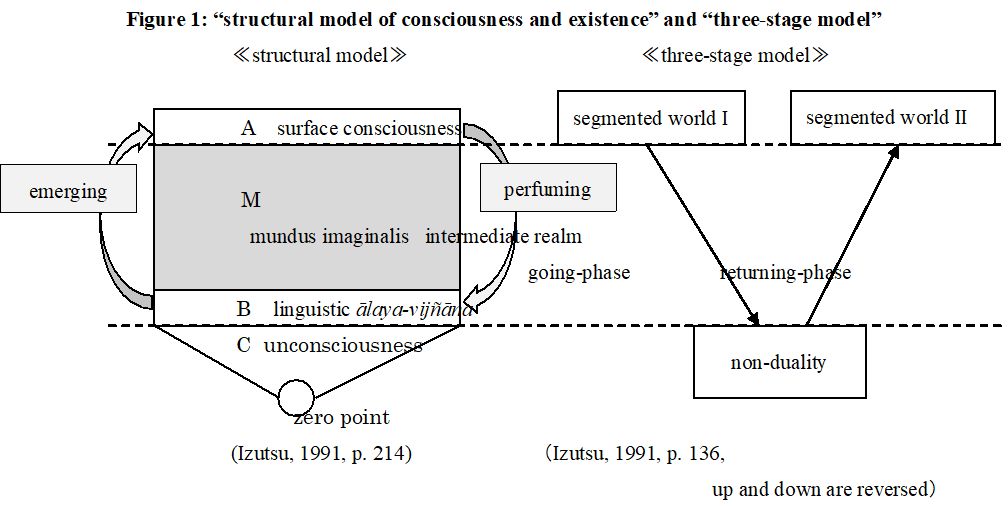
    Kawahara introduces two important figures for understanding language in the philosophical tradition of Japanese Buddhism. One is ancient: Kukai (774-835), a foundational figure for Buddhism in Japan whose concept of language developed within the Yogācāra school of Mahayana Buddhism. The other figure is modern: Toshihiko Izutsu (1914-93), a leading philosopher, polyglot and scholar of comparative religion. Making use of Izutsu’s extension of Kukai on language, Kawahara’s study delves into the deep structure of consciousness, which is nevertheless deeply communal; from the GA perspective we could say “scenic.” This structure of consciousness shapes the generation and expression of language out of the chaos of feeling and experience, and it could be said—in a real sense—to create the reality it describes.

    Tomoya Fujihara, a promising young scholar of religion, approaches language from an entirely different angle in his contribution, “The Origin of Language from the Perspective of Language Functions in Aphasic Patients.” This paper was the winner of the GASC student award at the Tokyo conference. It was Fujihara’s second presentation at a GASC event, and is his first contribution to Anthropoetics. His examination of the effects of brain injury on language leads to a substantial exploration of language itself, taking into consideration central concepts of GA. To my knowledge, it is the first study of its kind in GA, and opens up new directions for thinking about language, including language origins. The effect of Fujihara’s paper is not dissimilar to encountering the writing of the neurologist Oliver Sacks: after reading, it is difficult, even impossible, to think about language and meaning the same way.

    Izumi Dryden has been a regular participant at GASC events, including Tokyo 2024, always making unexpected connections in her talks between great writers and thinkers, with the common thread of music. Her contribution, “Music in Nature and Nursing: Musico-Philosophical Perspectives on the Ontological Dichotomies of Charles Darwin and Florence Nightingale” is Dryden’s second to Anthropoetics. In this paper she reprises her 2023 presentation at the GASC event in Palo Alto. As she develops her own “musico-philosophical” approach, Dryden ties together Charles Darwin, Florence Nightingale, and GA—again under the unifying theme of music. Music not only consoled Darwin and Nightingale in their darkest hours, and inspired them in their work; it also became an important component of their theorization, whether about therapeutic practice or evolutionary origins. As Dryden puts it, “music serves as a tool for deferring conflict—whether through evolutionary adaptation or therapeutic care—in line with GA’s understanding of how symbolic forms maintain social cohesion.”

    The place of music in Charles Darwin’s thought was further developed in Dryden’s paper for the 2024 GASC conference in Tokyo, and hopefully we will see it in written form before long, in a future issue of Anthropoetics. On a personal note, I have known Izumi Dryden since she was an undergraduate in my academic writing course at Kinjo Gakuin University, and she and her husband Laurence have been my good friends for years. It is immensely gratifying for me to see that Izumi Dryden’s love of musical, literary and theoretical genius—already evident in her essays as a university student—has developed into this well-articulated tapestry of originary thinking.

    Finally, we welcome the thoughtful study of Gregory Lobo, “Homo imaginatus: Generative Anthropology, prefrontal synthesis and the origins of the human.” This is Lobo’s first but we hope not last contribution to Anthropoetics. Though he has not yet presented at a GASC event, Lobo’s keen interest in GA as a hypothesis on human origins coincides with a trend that was also evident in Tokyo 2024. A striking number of presentations—half of them—focused specifically on human origins. Though Lobo dissents from GA’s originary hypothesis, it is in a thoughtful and generous way which invites more dialogue.

    Like Tomoya Fujihara, Lobo makes localized brain function an important element of his thesis, applying Andrey Vyshedskiy’s work on prefrontal synthesis. Perhaps the most intriguing aspect of Lobo’s conjectures is the chicken-egg paradox of children, genetically equipped for language, who do not inherit it directly from their parents. In this scenario, it is children who develop the first linguistic communication system (a real, observed phenomena). Thus, to steal a line from Wordsworth, the child is the parent of the human! Lobo’s disagreement with GA is not unlike GA’s with mimetic theory: when and how do we impute symbolic capacity to a hominid with no symbolic capacity? Yet Lobo recognizes the value of GA’s scenic intuition, and seeks not to “refute” it, but to reconcile it within what he sees as a larger context. GA cannot but benefit from such serious engagement with its central premises, whether favorable or unfavorable, and hopefully the conversation started by Lobo is the beginning of many more.

    We hope that readers can enjoy and profit from these highly original papers, each taking generative anthropology in new directions. We also remind readers to follow up this issue with the issue to appear in Spring, 2025, which will feature more papers from the Tokyo conference.

    Matthew Taylor
    Kinjo Gakuin University
    Nagoya, Japan
    October, 2024

  • Homo imaginatus: Generative Anthropology, prefrontal synthesis and the origins of the human

    1.

    Let us start with some of GA’s presuppositions. They are drawn from “A Dialogue on the Middle East and Other Subjects.” There, Eric Gans says: “Perhaps the simplest characterization of humanity is that it is the species that has more to fear from its own members than its natural environment, including predators, starvation, and everything else.” I don’t think this is quite right. A species itself does not fear anything, for a species is not a whole biological organism. I understand that Gans is employing a shorthand here, but I want to be as precise and literal as possible. What I would say is that the individual organism of the species Homo sapiens has more to fear from another individual organism, or from other individual organisms, of that same species, than from anything else. Such is not the case for the individuals that comprise other species. By insisting that we must focus on the individual biological organism I want to make clear that I am not yet talking about individual subjects. I am talking about biological, brained but not necessarily minded, individual organisms. By shifting our focus to what the individual organism experiences I believe we will be better situated in evolutionary terms for understanding the emergence of the human.

    Another presupposition, also from Gans in “A Dialogue”: “As our ancestors became more human, they became correspondingly more mimetic, with the result that the potential violence of their rivalry became too great to be controlled by animal modes of communication.” This is linked to the idea, central to GA, that “language, and human culture in general, insofar as it falls under the general category of ‘representation’ or the use of signs, emerges as a collective, ‘scenic’ means of deferring the violence occasioned by mimetic desire” (emphasis mine). Here I think we are straying into a kind of evolutionary functionalism. The argument, if I can paraphrase it, is that culture emerged to fix a problem. The problem was mimetic violence, which had gotten out of control. The function of culture—its purpose—is to defer such violence.

    My initial problem with this formulation is that there is no reason to think that a particular instance of mimetic violence would ever, prior to culture, constitute an extinction level event. Inversely, there is no reason not to imagine that bouts of mimetic violence might have played a role in the natural dynamics of ecological equilibrium. It is quite possible that in ethological terms what we might think of as excessive mimetic violence was a factor in constituting such an ecological equilibrium. Perhaps the violence kept our ancestors’ populations at numbers that did not exhaust local resources, while local resources, fauna and flora, were never so depleted as to motivate migrations, at least not in precultural times. What I want to suggest is that there simply is no scenario in which it makes sense to think of a hominin population being unable to control its mimetic violence yet needing to control it. The level of mimetic violence would—must—never have exceeded the capacity of the population to recover. At a certain level of recovery, perhaps a bout of mimetic violence served as something of a tonic, culling some conspecifics and insuring—unconsciously, of course—ecosystem equilibrium.

    If this is right, then it is a mistake to construe culture as a “collective, ‘scenic’ means of deferring the violence occasioned by mimetic desire.” Culture—but what we really mean is the ability to do culture or be cultural—emerges as a result of genetic mutations that support such a doing or being. This is why attempts to acculturate non-human organisms produce marvelous oddities but not, in the sense that interests us, cultural animals. Such a mutation, about which we will say more below, is necessary but not sufficient for the organism to have the ability to do culture. The ability to do culture will provide the individual organism, first of all, and not the reproductive population, with a relative intraspecific advantage vis-à-vis the rest of the reproductive population, improving its survival or its productive reproductive opportunities, or more likely both, relative to its conspecifics.

    Now, it is quite true that culture permits the deferral of mimetic violence, but it does not emerge as a scenic means of deferring violence. That is functionalism. It emerges as a capacity that, somehow, allows its bearer to survive and reproduce more successfully than conspecifics. That is to say, when the ability to do culture emerges, it does not emerge uniformly across a population. Such a capacity must have emerged at the level of only two conspecifics, for reasons to be explained below. It must have helped at least one of them defer being swept up in the mimetic melee—thus increasing their survival—which may well have in turn made them more attractive—affording them greater reproductive opportunities. As more culturally enabled offspring survived, those without the capacity for culture will have died out—or been eliminated. Here we have, perhaps, the very birth of sacrifice, not as but in the emergence of culture itself. For while it is axiomatic for GA that “the human is uniquely characterized by the deferral of violence through representation” (“A Dialogue”), what is left out of such a formulation is the corollary: the human is uniquely characterized by the dreadful, systematic organization and practice of violence through representation (ritual being only the first example of this). Nonetheless, with respect to this position, I think that if one adopts an appropriately evolutionary perspective, the notion that representation is about deferring violence turns out to be more of a truism than a revolutionary aperçu, for everything organic life does is, in truth, about deferring violence, the violence of death, the violence of non-being. Though every individual instantiation of life must die eventually, in the very nature of every such instantiation is embedded the striving to defer death, including death through violence. Why would culture be any different in this regard?

    Now I would like to challenge a particular aspect of the Originary Scene. We will use the account given by Gans, again in “A Dialogue”:

    In a scenic configuration, with the participants on the periphery of a circle and an object of desire (say, a source of food) at the center, each wishes to appropriate the object for himself, but, as each fears the others, his gesture of appropriation is cut off from its object and transformed into the first sign.

    What puzzles me about this scene is how it could have ever been enacted. My principal question is, why would the mimetic hominins ever have organized themselves into such a circle? To have done so would have already required deferral. To understand why a spontaneously organized circle seems to me untenable, I want to bring up the work of Michael Tomasello, whose name will be familiar to scholars in GA. He has provided an important analysis of chimpanzee hunting in Chapter 5 of Origins of Human Communication. What others see as an instance of cooperation and sharing (which would already require deferral), he sees, rather, as an exercise in appetitive animals pursuing food self-interestedly, without regard for conspecifics. Though a number of chimps appear to participate in the hunt, they are not doing so together. Each is doing it, according to Tomasello, on his own. When the prey animal is captured, it is captured by only one chimp, which proceeds to attempt to dismember and devour it as fast as possible, without concern for the other chimps. That the others manage to feed too owes not to “sharing” but to the fact that the captor simply cannot devour the entire prey animal all at once. Thus, those who were also hunting—each one for itself, not for the group—can grab some and feed too. Finally, those who were not hunting can feed once the others, having fed, become disinterested and abandon the leftovers. These chimpanzees do not form a circle around the prey is what I want to highlight. To be able to do so would indicate that they are already cultural, already engaging in deferral, and I do not see what impedes us from saying the same about the hominin participating in the Originary Scene, as construed by GA. Since the formation of an originary circle already implies deferral, the deferral of the aborted appropriative act constitutes only an anticlimax. Something must have happened elsewhere.

    Finally, let us look at what is perhaps the fundamental axiom of GA—that the human is defined by language or representation. My view is this, which both upends received understandings of GA while nonetheless comporting well with its basic terminology: humanity, just prior to language, is defined by scenic cognition. To make sense of this, let us recall that the human vocal tract appears to have been fully developed by about 600,000 years ago. But scenic cognition—the ability to see different things in relation, that is, in spatial and temporal and in comparative relation to other things—what I will soon be calling (following Andrey Vyshedskiy) prefrontal synthesis, only shows up about 50,000 years ago. Such cognition is, it turns out, a prerequisite not for ostensive signs—”lion,” “water,” perhaps even “danger”—but for mature, which is to say, recursive (prepositional, spatial, temporal) language. Scenic cognition is first; language comes next. Indeed, Gans himself gives support for this way of putting it in “A Dialogue.” There he says:

    The point of the originary hypothesis is to account not so much for the superiority of human language over that of our ape cousins as for its different mode of operation, through symbols as opposed to “indexical” signals. [. . . ] Apes can no doubt communicate all sorts of things [using those signals]. But a [human] language of conventional signs, even if at the start it doesn’t communicate very much information, has an essentially unbounded capacity for such communication, whereas animal signal systems do not.

    What I think Gans is actually indicating here is the difference between mere signs that are more or less indexical and recursive language. The latter, via prepositions, is potentially infinite. The former is squarely limited to things that are there. The difference between a human language of conventional signs and animal (and, likely, hominin) signal systems is that the former is what it is due to recursion and the latter is what it is due to a lack of recursion. The recursiveness and prepositionality of language derives from scenic cognition and also drives it, as language tells us to see scenes in our mind’s eye which we have not and perhaps could not see out there in the world, in “reality.” For the scene itself is recursive and prepositional, requiring a cognition that can see in such a way: scenically. Parts are embedded or nested in other parts, and isolatable from other parts; and stand in relation to other parts, enjoying significance as a result. Thus, the fundamental question is, whence recursion? We will answer that question below.

    2.

    Let us now develop an alternative hypothesis for GA. I’ll begin this part of this essay by recalling Gans’s words concluding the first chapter of Science and Faith: “the historical greatness of an event cannot always be measured by the number of its participants” (16). I wonder, might this observation serve to prepare us to accept the idea that “the human” is not the result of a scene localized in time and space, but of a scene consisting in continuous action over time and places, and no less great for that? Additionally, might it persuade us to consider that perhaps there were as few as only two participants/hominins/humans in that no less momentous scene, its greatness undiminished?

    In the hope that we are so persuaded, I now introduce Andrey Vyshedskiy, a neuroscientist who works on language disorders. His is a theory of the emergence of the human—”a behaviorally new species” (32)— prompted by his research into language disorders, wherein he has found that recursive language requires what he calls prefrontal synthesis (PFS) ability, which seems to be equivalent to recursive ability. PFS ability is the ability to engage in voluntary imagination, and thus it is, I want to argue, equivalent to scenic cognition. Importantly, Vyshedskiy has found that there is a necessary contextual requirement within a limited time frame for the normal ontogenetic development of PFS. If the time-frame or “critical period” is missed, no voluntary imagination or scenic cognition and no recursive language (2). “Modern children,” he has found, “not exposed to recursive language [the necessary contextual requirement] in early childhood [the limited time-frame or critical period] never acquire the type of active constructive imagination called Prefrontal Synthesis (PFS)” (2). Because I think that PFS is equivalent to scenic cognition, I believe it would have been impossible for the protohumans, lacking PFS, to construe the scene in accordance with the OH. In that sense, there was no OS as GA construes it. But, taking into account our mimetic nature (which does not feature in Vyshedskiy’s theory) there is still a way to construe an OS that aligns with the claims—the conviction that all of humanity can be glimpsed in an originary scene—of GA.

    Vyshedskiy’s theory is based on the fact that a capacity for “full recursive language depends on the [healthy development of the] lateral prefrontal cortex (LPFC)” (2). This is so because the LPFC is the seat of imagination. Imagination here is understood as active rather than passive. The healthy LPFC, for example, is not required for dreams. But if imagination is understood as “the conscious purposeful active LPFC-driven synthesis of novel mental images” (3), a healthily developed LPFC is necessary. Prefrontal Synthesis (PFS) is the name for the activity of purposefully synthesizing novel mental images out of other mental images. Though Vyshedskiy himself never puts it quite this way, it is the name for the activity of seeing things that are not there. Surely, then, it is the ability that allows us to invent and use signs, as opposed to indexical pointers. Conversely, PFS disability amounts to a handicap, an inability to use imagination (4). Hominins—and indeed humans—without PFS would, at most, not have language but at most a “rich-vocabulary non-recursive communication system” (8). Such a system would have nouns, perhaps, to refer directly to objects, but it would not be able to relate different objects to each other, principally because it would not be able to “think” such relations. A person with PFS disability would not be able to put the yellow cup into the blue cup. Such a person would not understand what was being asked of him. PFS inability would have characterized the brains of the hominin in the OS, thus they would not have been able to become human—active users of the imagination—through said scene.

    Given that in the absence or degradation of PFS ability, construal of even the “simplest” relations between neurologically encoded objects is impossible (Vyshedskiy 3), the idea that a hominin population without PFS could have understood or grasped, in any sense, the relations between center and periphery, between the object and its significance, and between itself and those on the periphery, seems to me improbable. On the other hand, as Vyshedskiy puts it, the “magic of using a finite number of words to communicate an infinite number of images completely depends on the PFS ability” (7). I refer the reader back to my previous quotation of Gans, who said, recall, a human “language of conventional signs, even if at the start it doesn’t communicate very much information, has an essentially unbounded capacity for such communication, whereas animal signal systems do not.” This human advantage is down to recursion, or PFS, which is the ability to do culture.

    3.

    Here, however, thinking about how language (culture, representation) and PFS evolved becomes complicated, for as we have reiterated, PFS ability must be cultivated or nurtured via exposure to recursive language in early childhood. We know this because “Individuals without any brain injury exhibit PFS disability if they were not exposed to recursive language in early childhood” (Vyshedskiy 8; see also Emmorey et al., Martin, Martin et al., Pyers and Senghas). This poor outcome owes to the fact that PFS ability has, as mentioned previously, what is called a strong critical period; the “neural infrastructure mediating PFS can only be established in early childhood” (Vyshedskiy 11). We have already seen that PFS ability requires a recursive context as well. Thus, how could that childhood recursive context have existed, if its very existence depended on the PFS ability of conspecifics who themselves could not yet have developed it?

    Vyshedskiy intensifies the complication by noting the following. It is not unusual that species-level capacities require targeted stimulation in the individual organism in order to be realized ontogenetically. For example, in the individual vision is realized through quite natural stimulation of the retina. But an individual raised in total darkness would not be able to see. The same is true of hearing, which requires what naturally occurs anyway: noise, or rather, sounds. But for PFS capacity to be realized in the individual, said individual must be embedded not merely in a context of sights and sounds, which all things being equal, would be inevitable, but in what Vyshedskiy pointedly characterizes as “a purely cultural phenomenon” (11). He means that the individual must be actively participating in a recursive language context. In terms that bear directly on the plausibility of the OH: “The development of neurological networks necessary for PFS in a child [which is the only time and place such networks can develop] requires a community of humans using existing recursive language [. . .] in communication with [that] child” (11).

    This leads to what strikes me as a fundamental problem for the OH. The participants in its OS are identical to us—physically and genetically—except they do not yet have language. But language, or a sign as complex as the sign whose emergence or invention is posited in the OS, requires PFS, and as Vyshedskiy makes clear: “it is not enough to be [a] fully genetically modern individual to acquire PFS” (12). One must be genetically modern and “one needs to be exposed to [I would prefer, for what I think are obvious reasons, acculturated into] recursive language in early childhood” (12).

    Even if the participants in the OS were genetically modern, which is to say capable of PFS, they could not have spontaneously acquired PFS in the scene as staged by the OH, which would have been necessary for them to produce and understand the aborted sign of appropriation as effective sign of deferment in the scene. That is, the scenic cognition of each individual—its ability to apprehend the spatial relations between itself and the others, to see the others as some kind of agent similar to themselves, to perceive the tension between center and periphery, to imagine the consequences of unbridled appetite at this time and thus defer, and so on—simply was not there. For if it were there, language would have already existed, leaving us with some other scene of its invention. But that aside, they simply couldn’t have been genetically modern and thus able to invent language (assuming it to be inventable on the scene), for reasons we will explain.

    To be clear, Vyshedskiy’s hypothesis rejects the gradualist account of hominin becoming human, and thus comports well with GA on this point. Evidence for the ability of humans to raise structures in their minds, to see things that aren’t there—composite figurative objects, bone needles that needed “seeing” a hole, a thread, and suggest the envisioning of a designed garment, elaborate dwellings with hearths, so-called “adorned burials,” evidence of global migration in a short period of time, animal traps and megafauna extinction (Vyshedskiy 12-16)—suggests a rough date of phylogenetic acquisition of PFS about 50,000 years ago. As Vyshedskiy notes, though the dating is rough, others have recognized the phenomenon and its tremendous suddenness (for example Bar-Yosef, Harari, Diamond, Tattersall). But the question remains, what happened?

    Vyshedskiy insists that “phylogenetically, PFS must have been acquired at the same time as recursive language” (19). What this does not mean is that at a certain date all of our ancestors acquired PFS and language at once. What it means is that we humans all share a common ancestor—more likely two—who bore a genetic mutation that allowed for the acquisition of PFS and language, the ability to do culture. Given that only children can acquire PFS and that they can only do so in the context of recursive language use, and that adults, who were not recursively abled, could not have provided such a context, Vyshedskiy surmises that children, likely two of them, must have provided such a context for themselves. How?

    The answer to this question is more complex than it appears at first sight, because if children did develop recursive language and PFS at the same time, why didn’t they do it during the 550,000 years in which they had the vocal tract and, presumably, speech capacity and a large number of indexical phonemes? To begin to resolve this imponderable, Vyshedskiy points to studies of genetically modern but institutionalized deaf children in Nicaragua who spontaneously, which is to say, naturally, invented recursive sign language and developed PFS even though they were not taught the language (see Kegl, et al., Martin, et al., Senghas and Copplola, Senghas, et al., Senghas). From this Nicaraguan evidence provided by genetically modern children, he concludes that PFS development for 550,000 years was precluded by genetics. Such a genetic inability to develop PFS also precluded the development of recursive language during that same 550,000-year time span.

    It appears that due to genetics there was what Vyshedskiy calls a “neurological barrier” (22). Vyshedskiy makes his case by focusing on primates.  Apes raised by humans can, apparently, learn many words. But they never develop PFS (it seems to me that PFS-enabled primates are the stuff of Planet of the Apes scenarios). This is because the prefrontal cortex (PFC) of apes and indeed, in all other mammals, develops at a rapid rate. It is likely that the PFC of our ancestors also developed at a rapid rate. Rapid development of the PFC seems to make the development of PFS impossible. Thus, a first part of the solution to the problem of why PFS and recursive language were not developed 600,000 years ago shortly after the evolution of the vocal tract, but only 50,000 years ago, is that only then, in at least one of our ancestors, did “one or several genetic mutations” cause a “delay of the PFC [prefrontal cortex] maturation” (Vyshedskiy 22). That ancestor could not have developed PFS or recursive language because both require dialogue—not a whole community but just one other organism. But assuming survival (a problematic but necessary assumption, as we shall see in the next paragraph), one single ancestor could have passed the mutation on to two offspring, perhaps born within a year of each other, perhaps, as Vyshedskiy prefers, twins. Such a mutation, “slowing down PFC development,” would have “prolonged the critical period and enabled [these] children’s invention of recursive elements, resulting in recursive dialogs and acquisition of PFS” (Vyshedskiy 22). Additionally, “[s]lowing down PFC maturation could have theoretically improved PFC mediated social behavior, working memory, and impulse control” (Vyshedskiy 23), which is to say, it could have led to the capacity to defer.

    Now, about that assumption: here things get even more complicated, but even more interesting. To appreciate why, I want to remind us about some evolutionary basics. Evolution works minimally, if it works at all. Minimally, in this context, means that it works via mutations in individual organisms, an individual organism being the minimal unit (Dunbar). A mutation in a single organism can give that organism reproductive advantage vis-à-vis other organisms of its kind. Perhaps the mutation makes the particular organism more attractive to mates, and thus it is chosen more often than others for reproductive behavior by conspecifics among the reproductive population to which it belongs; perhaps the mutation equips it to survive where conspecifics die, allowing it, again, to engage in more reproduction than those others. Perhaps both. To give a reductive example, a single proto-peacock has a brighter feather in its tail due to a mutation. The tail does not help it survive, but it leads to it being chosen more often for reproductive behavior. Its more numerous descendants have brighter feathers due to genetic inheritance and in turn are chosen more often for reproduction by others among the reproductive population. Eventually, shortly in fact, we have a reproductive population (a species) not of proto-peacocks but of peacocks.

    But of course we’re not dealing with peacocks and at this point we have to foreground the mimetic crisis which afflicts us and our ancestors. The right way to approach what we believe to be the fact of mimetic violence is not as a threat to the species, which we have already discounted, but as a threat to each individual that comprises the reproductive population which we call the species. Mimetic violence constitutes a threat to an individual’s survival. A mutant with what we are calling scenic cognition or PFS, instead of possibly being a lucky survivor of a mimetic crisis, would have been able to avoid it on purpose, deliberately. Being able to avoid it so would give an individual greater relative reproductive success. Also, being able to avoid the melee may well have made the mutant more attractive. Its genes—and the capacities with which they endowed their bearers—would soon, in a matter of generations, dominate the reproductive population in question. But it is not necessary that the ability to see the scene of imminent violence and thus preempt it for oneself was acquired all at once and uniformly across a population. In evolutionary terms, that would have been impossible.

    On the basis of the foregoing, we can say that language did not evolve because it gave humans an advantage over other animals, or because it was a way for the group to defer violence. It evolved because with its mutually constitutive condition of possibility, PFS (or scenic cognition), at least one proto-human enjoyed an advantage over other proto-humans in the relevant reproductive population. A proto-human with language capacity could appeal intraspecifically and attract more mates, giving it a something like a passive reproductive advantage. But it could also leverage language’s constitutive condition of possibility, PFS (imagination, scenic cognition) actively, to safeguard its own survival better than its peers, and thus again win for itself more reproductive opportunities. In reality, in this regard it would have been peerless!  In surviving and out-reproducing their conspecifics, its mutant offspring would have been more numerous and would, in turn, have been able to survive and out-reproduce their peers, and so on. Soon, as a result of what can still be construed as an event or a scene of activity unfolding over time, we would have humanity.

    4.

    But we do not have it yet—because we never finished dealing with that assumption. Let us continue. Mutations, if they are to prosper, must serve as the basis for something that leads to more reproductive success and/or greater survival of the organism in question. The PFC delay mutation is, in this regard, strange. Vyshedskiy puts it this way: a delay “in the PFC development rate results in a prolonged immaturity [during which] the brain is incapable of full risk assessment” (22). In plainer terms, mutant infants with delayed PFC development are, in fact, not at all likely to out-survive and therefore not at all likely to out-reproduce conspecifics, and therefore they are not at all likely to pass on the genes related to PFC delay. Non-human primates who are still subject to rapid PFC development—and who are precluded from acquiring PFS as a result—are quickly able to take care of themselves after birth, more or less; minimally they do tend not to wander off and die. Infant chimpanzees cognize bodies and flows of water as threats; they never drown in the wild. Human infants don’t cognize risk so well, not—presumably— in the wild, nor even in the back yard. The consequences are tragic.

    To be clear, we are assuming survival of the first mutant(s) who were, all things otherwise being equal, predisposed, thanks to their mutation, to early expiration. The PFC delay mutation which they carry would seem to usher its bearers quickly to extinction by radically inhibiting their ability to detect and therefore avoid threat. Such a mutation “is expected to increase childhood mortality” (Vyshedskiy 23) and thus die out, along with its bearers. Vyshedsky runs some computer simulations and concludes that any population into which PFC delay was introduced would, over time, cease to exist.

    How then do we explain that instead of such an outcome we humans have PFC delay and have managed to colonize the planet?

    Based on the plausibility of his hypothesis, and the fact that we are here and everywhere, Vyshedskiy imagines that the first mutants must have simply been the beneficiaries of adequate care, which mitigated their mutation-related vulnerabilities and allowed them to become nothing less than the progenitors of humanity. Here is how Vyshedskiy imagines it:

    Two or more young children with ‘PFC delay’ must have been born at the same time and lived together for several years, so that they could often talk to each other […]: they were genetically modern (in terms of the ‘PFC delay’ mutation), but their parents could not have taught them spatial prepositions; [the] children had to invent the recursive elements of language themselves. Having invented recursive elements and having [at the same time] acquired PFS, these children would have gained near-modern imagination: a ticket to dramatically improved hunting [. . .], proclivity for fast discovery of new tools through mental simulations and the ability to strategize [. . .] clever ways to eliminate other hominin competitors. (23)

    For Vyshedskiy, the most important consequence of acquiring PFS and recursive language is that the mutants would have been able to “engineer better weapons and plan a sophisticated attack strategy using animal traps and stratagem” (26). Even if many infants in subsequent generations did die due to inhibited risk assessment, those who survived generated more food and thus the population was able to support greater numbers. It was this that allowed the mutants, and the population within which they evolved, to avoid the extinction that would otherwise have resulted from PFC delay. Then, as Vyshedskiy goes onto say, the “‘PFC delay’ mutation [as well as PFS ability] and recursive language could have then spread like a wildfire through” (23) the reproductive population, which would, within a few generations, be uniformly human.

    5.

    So though Vyshedskiy is a proponent of a sudden emergence of the human, his account is not wholly free of gradualism. What he calls a behaviorally new species is nonetheless quite continuous with the sorts of organisms that preceded it; PFS ability and language constitute an addition to an organism already verging on culture. His account does not account for mimetic desire at all and thus cannot formulate the rupture between what was and what becomes as radically as we feel we must. So let us now try to make sense of this alternative hypothesis in terms of GA. Though Vyshedskiy does not put it this way, our PFC-delayed ancestors could prosper rather than die out in short order because although the mutation made these mutant individuals quite incapable of living naturally—for this is how the vulnerability caused by PFC delay cashes out—it enabled them and in a sense spurred them to do culture. We might specify culture here as the ability to exchange the contents of their minds—as the ability to have minds!—as the ability to actively imagine novelty and innovation together, on the basis of an ability shared by each mutant to see both what is there but perhaps more momentously, what is not there. This is culture (an unwieldy characterization, admittedly), radically distinct from the mere social learning which is a limited ability of which many animals are possessed (see Whiten for example); none of them have PFS. But to be sure this culture was not conjured up by any need. It was not concocted with a purpose.

    But it did confer an advantage, such that its bearers enjoyed reproductive success over and against their conspecifics, who were still able to live naturally—though not for long. Vyshedskiy, from what we might characterize as a sense of solidarity with the non-mutants, imagines the PFS enabled organisms supporting the broader population with productive innovations in hunting and fighting. But in our thinking we have to contend not only with mimetic violence, but with the new ability to organize cooperative violence.

    Let us then propose an alternative scene, ongoing through time and space. It begins with a couple of mutants, the beneficiaries of adequate care despite presenting in ways that would strike their conspecifics as eccentric. They develop PFS and prepositional language via a recursive learning dynamic where an advance in each capacity would have generated an advance in the other. The result, initially, would not have been an ability to defer something called violence, but the ability to defer their own exposure to it, to opt out of or exit the scene in which it presents.

    It would be an error, as we said earlier, to think that such violence was experienced as a threat to the group’s survival by any particular organism involved. This is so because prior to PFS it would have been impossible for the organisms involved to conceptualize “the group” or “us.” Each individual organism, but not the group qua group, would have entered what LeDoux calls a “global defensive state,” as all higher animals do when under threat. Such a state must not be interpreted as subjective but as organic: the embodied genome, being an instance of life, does not want to expire. The mutants, however, have something like a burgeoning subjectivity and at this time, in this particular scene, at least one of them—perhaps the only one of them—was able to see or rather pre-see or preview the unfolding of mimetic violence and its relation to itself, its potential implications for its own survival, specifically . . . and withdraw from the scene in anticipation, deferring not the violence but its exposure to it.

    This ability to survive where others did not, combined with an ability to ideate better hunting strategies, and likely organize ritual, would have made them in some real sense more attractive. On both counts, then, they were able to out-reproduce their non-mutant conspecifics, leading to the evolution of a new species: homo imaginatus, which we in our hubris call homo sapiens.

    There is more to say. We can think of PFS ability or scenic cognition as inherently deferent, while mimesis—the importance of which has not been diminished for us—implies thoughtless immediacy, at least in its negative sense. I think this is right because it seems to me that prefrontal synthesis discombobulates our relation to the world. Our perception is intervened, short-circuited, by our ability to see what is not there, which is tantamount to our ability to not see what is there. Once we have delayed PFC development and then PFS, we necessarily have deferral, inescapably so, because we have to work out what we are seeing and how to proceed with respect to this scene, the one before our eyes, but also the one before us in the future, and indeed, the one behind us in the past, which now impose on us in a way they never have before. Not one of these scenes, not even the one before our eyes, is self-evidently actionable, whereas, before PFS, only the scene (though it wasn’t really a scene) directly in front of our eyes existed, and as for what to do, there was nothing to discuss. Just as chimpanzees just do it, so, surely, did our pre-PFS ancestors.

    6.

    In conclusion, generative anthropology. PFC delay damages our very nature, making us less rather than more adaptive in the short run. But the damage is the condition of possibility for the sudden emergence of a new organism that is almost infinitely adaptive when it exploits an ability which is entirely dependent on PFC delay: the ability to conceptualize problems and imagine solutions the function of which is, precisely, to solve those problems. The truly new organism does this, in a way that other animals do not and probably cannot, with its conspecifics. It cooperates, rather than coordinates. The first few members of this species-to-be survive their earliest years almost against the odds, but then they can, because of that which was initially, on the face of it, a maladaptive mutation, an injury, develop imagination, PFS, scenic cognition, language and in short order replace (sacrifice?) their non-mutant conspecifics in just a few generations. As fewer and fewer non-PFS capable hominins survive, the capacity to live without culture which was heretofore the birthright of this reproductive population, withers away. The mutant biology is maladaptive for years, but if those years are lived socially—where socially means much more than enumerative being, where it means intersubjectively—, and survived, the result is that organisms with interconnected minds—what Girard calls “interdividuals”—emerge. Insofar as these interdividuals become genetically predominant among their reproductive populations, they are moved ever further away not from their nature, but from nature, from the ability to live without culture, to live naturally, so to speak. But their nature is now cultural. At a rapidly reached certain point, it would have already become impossible for this recent reproductively compatible population to live naturally, solitarily (even in numbers), as chimps do (Schmid).

    Their nature was such that they could not have survived had they not constantly generated culture in response to changing environmental pressures, many of which their new cultural practices themselves caused (see Henrich, for example). In sum, the origin of the human must not be conceived only in additive terms—in terms of adding cultural capacity to the hominin, in terms of the invention of the sign. It must be conceived in terms of loss, in terms of being cut loose, in terms of an unbridgeable abyss which we can never re-span. For the sign, which is to say culture and language, is called into being by the fact that individuals could no longer live individually, as if others didn’t exist, or matter. But because they can no longer live naturally, which is to say, they can no longer live together naturally and mimetically, they must invent how to live together, with mimesis still. And this is the birth of religion, which always is constituted by the attempt to defer violence and death, the violence of which the group—and other groups—are capable, and thus the death, but this time truly, of the group. If this is not a generative anthropology, I do not know what is.

    7. Postscript

    Finally, from the perspective of GA and in light of this alternative hypothesis, we might observe that up until the invention of culture there was only natural selection. What does this mean? It means that before culture a mutation either gave an individual better survival vis-à-vis conspecifics, or it made it more attractive, or both. In either case, such an individual had more reproductive opportunities intraspecifically, and therefore, assuming a relative higher rate of surviving offspring, its genes with the mutation spread through the reproductive population. There was no moral calculus involved here; no behavioral ethics impinged on the process. Reproductive behavior was a given. Deference didn’t exist. If an individual’s genes gave it a reproductive advantage, its genome was passed down and would have spread through the reproductive population over a number of generations. But this can all be described as a quite natural process.

    The hypothesized PFC-delay mutation is utterly astounding, utterly transformative and utterly generative. Whereas, during the whole of natural history, evolution has proceeded through mutations borne by an individual or two, this new species—but not others—can now be said to be in a quite different situation. Mutations in individuals no longer matter much. An individual’s reproductive success has no real impact on the reproductive population. What does have an impact on the reproductive population, that is, on the individuals who comprise it, are the ways in which those individuals cooperate, or do culture, which is based on how those individuals can see themselves doing culture. The fact and forms of deference become important, crucial, really. We can now begin to speak of something like group selection, of cultural rather than biological mutations that favor certain groups and lead them to remake the species, or some part of it, not at a genetic level, but at a cultural level.  Everybody is passing on, more or less, the same genes. But not everybody is passing on the same cultural practices. Such practices are collectively intentional: they require each member of the population to act in a certain way, with the rest of the group as a point of reference. A subjective, actionable, manipulable orientation of self to group is required. No doubt an individual can always prioritize his own individual preferences and survival over that of the group, but for the most part, many—most—individuals are mobilized to think of their own survival intertwined with the group’s survival (though perhaps this is not so in the modern West). Social Darwinists will justify such a scenario in terms of natural selection, but they’re missing the point. The point is that we—whoever we are—can observe that X practice or Y values are good for us. And if they really are in practical terms both good for us and better than what they do is for them, we have something like group selection: some groups will prosper, others not so much. We are all different, even though we are all descendants of the same scene.

    And so this is the scene of our dilemma. Does everyone belong to the same group? Or do different people belong to different groups? Whether—given the ability of members of our species to wage violence on a global scale—a future mimetic crisis will finally be an extinction level event, or whether such a crisis might be deferred indefinitely despite such capacity, depends on how those questions are answered.

    Works Cited

    Abdulhamid, Ammar and Eric Gans. “A Dialogue on the Middle East and Other Subjects.” Anthropoetics VII, no. 2 Fall 2000/Winter 2001. Accessed 10 August, 2024.

    Bar-Yosef, Ofer. “The Upper Paleolithic Revolution.” Annual Review of Anthropology, vol. 31, no. 1, 2002, pp. 363-393, https://doi.org/10.1146/annurev.anthro.31.040402.085416.

    Diamond, Jared. The third chimpanzee. Seven Stories Press, 2014.

    Dunbar, Robin. How Religion Evolved: And Why It Endures. Oxford University Press, 2022.

    Emmorey, Karen, et al. “Visual imagery and visual-spatial language: Enhanced imagery abilities in deaf and hearing ASL signers.” Cognition, vol. 46, no. 2,: 1993, pp. 139‑181. https://doi.org/10.1016/0010-0277(93)90017-p

    Gans, Eric. Science and Faith. The Anthropology of Revelation. Neosis Press, 2015.

    Girard, René. Things Hidden since the Foundation of the World. Stanford University Press, 1987.

    Harari Yuval N. Sapiens: A brief history of humankind. Harper Collins, 2014.

    Henrich, Joseph P. The Secret of Our Success: How Culture Is Driving Human Evolution, Domesticating Our Species, and Making Us Smarter. Princeton University Press, 2015.

    Kegl, Judy, et al. “Creation through contact: Sign language emergence and sign language change in Nicaragua.” Comparative grammatical change: The intersection of language acquisition, Creole genesis, and diachronic syntax, edited by DeGraff, M. MIT Press, Cambridge, Massachusetts, 1999, pp. 179–237.

    LeDoux, Joseph E., and Caio Da Silva Sorrentino. The Deep History of Ourselves: The Four-billion-year Story of How We Got Conscious Brains. Viking, 2019.

    Martin, Amber. “Does age of language acquisition affect the relation between American sign language and mental rotation?” Retrieved from the University Digital Conservancy, https://hdl.handle.net/11299/57256, 2009.

    Martin, Amber, et al. “Age of acquisition effects on mental rotation: Evidence from Nicaraguan Sign Language.” BUCLD 37: Proceedings of the 37th Boston University Conference on Language Development, edited by S. Baiz, N. Goldman., and R Hawkes, Boston University. Boston, MA: Cascadilla Press, 2013, pp. 241-250.

    Pyers, Jennie and Ann Senghas. “Language Promotes False-Belief Understanding: Evidence From Learners of a New Sign Language.” Psychological Science, vol. 20, no. 7, 2009, pp. 805-812, https://doi.org/10.1111/j.1467-9280.2009.02377.x.

    Schmid, Hans. B. The idiocy of strategic reasoning. Towards an account of consensual action. Analyse & Kritik, vol. 33, no. 1, 2011, pp. 35–56.

    Senghas, Ann. “The development of Nicaraguan sign language via the language acquisition process.” Proceedings of the 19th Annual Boston University Conference on Language Development, 1995.

    Senghas, Ann, et al. “Children Creating Core Properties of Language: Evidence from an Emerging Sign Language in Nicaragua.” Science no. 305, 2004, pp. 1779-1782, 10.1126/science.1100199

    Senghas, Ann and Marie Coppola. “Children creating language: how Nicaraguan sign language acquired a spatial grammar.” Psychological science, vol. 12, no. 4, 2001, pp. 323‑8, https://doi.org/10.1111/1467-9280.00359

    Tattersall, Ian. Becoming human: Evolution and human uniqueness. Harcourt Brace and Co., 1999.

    Tomasello, Micheal. Origins of human communication. MIT Press, 2010.

    Vyshedskiy, Andrey. “Language evolution to revolution: the leap from rich-vocabulary non-recursive communication system to recursive language 70,000 years ago was associated with acquisition of a novel component of imagination, called Prefrontal Synthesis, enabled by a mutation that slowed down the prefrontal cortex maturation simultaneously in two or more children – the Romulus and Remus hypothesis.” Research Ideas and Outcomes 5: e38546, 2019, https://doi.org/10.3897/rio.5.e38546

    Whiten, Andrew. “The burgeoning reach of animal culture.” Science, vol. 372, no. 6537, 2021, https://doi.org/10.1126/science.abe6514.

  • Language generation from the perspective of esoteric Buddhist philosophy and ba linguistics

    Introduction

    The generation of language can be approached from a number of different perspectives. In his work, Eric Gans elucidates the mechanisms underlying the process of human evolution (Gans, 2011, 2015, 2019; as do other theorists such as Goldman, 2013 etc.). This is the aspect of human phylogeny. Nevertheless, the same can be said of the process of language acquisition in human ontogeny. This paper will examine the ways in which individuals generate language in each and every act of communication. It will focus on the view of language espoused by Kukai (774-835), a prominent religious figure in ancient Japan, based on the Buddhist philosophy of Yogācāra. It will also examine the view of Kukai’s philosophy of language as articulated by Toshihiko Izutsu (1914-93), a leading philosopher in modern Japan.

    How language is generated in communication

    Individuals have diverse experiences throughout their lives, which are stored in the depths of their hearts and minds as memories of feelings and thoughts associated with those experiences. Such individuals evince a desire to express their repressed feelings and thoughts through a variety of means. Individuals may express themselves through physical movements, such as attitudes and facial expressions, or through more expressive means, such as music or painting. However, there is a particularly powerful means of self-expression: words. Words are not only a means of referring to an object or emotion; they are also an effective means of expressing in a conscious form memories stored in the depths of the psyche, which are usually unconscious.

    The recollection of past experiences may be prompted by an interlocutor’s remarks, leading to the evocation of memories of comparable experiences from within one’s own experiences, emotions, and thoughts, which are subsequently articulated in verbal expression. As individuals navigate the course of their lives, they amass a repository of sentiments and ideas within their hearts and minds, shaped by experiences that bear resemblance to those of others. Through dialogue, individuals establish a profound empathic connection with one another, resonating at the emotional level and sharing a sense of shared experience. Alternatively, they may have accumulated memories of disparate feelings from analogous experiences. In the absence of resonance or empathy, they may manifest a sense of repulsion or rejection and engage in confrontational behavior towards others. The manner in which they express their feelings is often contingent on the identity of the interactant, the circumstances of the interaction, and the context within which it occurs.

    The expression of emotional energy is conveyed through language, which enables the transfer of feelings and thoughts to another individual. Subsequently, individuals attempt to elicit further sympathy, provide comfort to one another, and demonstrate care for each other. Alternatively, there may be instances when a dispute or conflict arises, or there may be instances when silence is the prevailing response. In such instances, individuals may attempt to circumvent the subject at hand and instead introduce a new topic as a means of resolving the impasse. Alternatively, they may terminate the communication with the other individual. This is the typical process and manner of live communication in which people interact with each other.

    This paper addresses three key points. Firstly, this paper posits the importance not only of the superficial aspect of verbal communication, but also of the relationship between words and the deeper layers of the heart and mind. Furthermore, it aligns with the perspective put forth by Hanks et al. (2019), which identifies the area of deep consciousness at the back of the human mind as the “primary ba,” and the area of visible surface consciousness that engages in dialogue through words as the “secondary ba.”

    In primary ba, words are employed to differentiate the disparate feelings and thoughts that individuals harbor internally, thereby conferring coherence upon the often tumultuous and disorganized inner realm. In other words, words are employed to articulate and reify an ambiguous subconscious phenomenon. Secondly, in secondary ba, the segmented meaning is expressed in words and communicated with others in a form that can be heard and seen. This is the domain of conventional linguistics, a field that can be conceptualized in terms of language. It is a realm that people can recognize, become aware of, and analyze with words. Thirdly, when the words of others evoke thoughts and feelings that are also present in the primary ba, or when aversive or hostile emotions are elicited, the mind becomes active and generates further words, thereby facilitating communication in the secondary ba.

    The primary ba is not merely a deep region of the heart and mind belonging to the individual. From the Buddhist viewpoint, it represents one of the main Eastern philosophical traditions, a world of “oneness of self and other,” open to others and fused with others. It is the specific context in which a multitude of factors, including the relative positioning of individuals, the depth and nature of underlying emotions, and the trajectory of interpersonal dynamics, interact in an implicit manner.

    In this context, the concept of “ba” can be understood as a space where the individual and the other are engaged in a form of dialogue that encompasses everything. This dialogue develops as a result of the constant oscillation between deep and superficial fields. The objective of this paper is to elaborate on and discuss the aforementioned concepts, drawing on the background of Eastern philosophy.

    Primary ba and ba theory

    First and foremost, conventional linguistic theory has addressed the secondary ba mentioned above. It has dealt with the surface level of language. Even Chomsky’s deep structure deals with the aspect of symbolic codes, or social conventions of language, and has not dealt with vertical approaches that delve into the depths of human linguistic consciousness. However, the notion of the domain of profound consciousness within the human mind represents a perspective that has not been explicitly conceptualized within the traditional framework of linguistic theory. Nevertheless, Hanks et al. (2019) were the first to propose this theory in the field of linguistics, which they termed “ba theory.”

    Primary ba is […] basically an ontology of mutual dependence, impermanence and ultimately non-separation. […] Indeed, the search is for a level of nonseparation that is ontologically prior to the subject-object distinction. (Hanks, et al., 2019, p. 64)

    In primary ba, the generation of meaning is not yet established, and a dynamic energy of meaning is generated among communicators to express their feelings and thoughts by some means in an undivided subject-object state. This is the domain of the unconscious, and this energy is active even before the communicators engage in discourse, resulting in a state wherein the seed of linguistic utterance is on the verge of germinating unconsciously within the intersubjective field. One individual begins to speak, and then another individual begins to speak based on the preceding speech. The cycle persists, and the energy of meaning undergoes a dynamic shift within the total being of the participants in the dialogue.

    In the GA context, this energy is considered the first shared meaning in the universe called the “Little Bang” of the human in the Originary Scene, and this energy is repeatedly generated by each individual human being in human history since the Little Bang. It is the energy that makes us distinctly human, which makes possible our ability to do science, to be ironic, to love, to think, to make art and to do all sorts of human activities with language. In this context, the evolutionary trajectory of language in phylogenesis as postulated by GA bears resemblance to the underlying processes occurring at the individual level during one-time, individual linguistic communication in ontogeny. This energy drives the process of language acquisition at a deeper level and, to a greater or lesser extent, language generation in adulthood. In language acquisition, the process proceeds from the Ostensive to the Imperative and the Declarative. In the stage of using the acquired language, the Declarative is considered to be the center of language function. However, as GA theorists emphasize, it should be noted that language arose primitively from the Ostensive.

    In contrast, the domain of surface consciousness that has been the focus of linguistic inquiry thus far is referred to as “secondary ba.”

    Secondary ba […] is the interactional space in which a process unfolds. For example, face to face conversation always takes place in a secondary ba, which consists of the embedding context/setting/occasion in which the interaction transpires. This embedding includes a vast amount of categorical information about who and what are involved in the interaction, as well as where, when, and why the interaction takes place. (Hanks, et al., 2019, p. 65)

    The “primary ba” can be defined as the domain preceding language. In contrast, the “secondary ba” can be understood as the domain where an object or event is distinguished from others, categorized, and verbalized. Furthermore, it can be argued that objectification through language gives rise to objects, which in turn give rise to subjects that exert the objectification effect. In this conscious world, the distinction between subject and object is clearly delineated.

    In this context, we examine the Buddhist perspective on the interconnection between the mind, body, and speech. According to this tradition, these three aspects of the self are not distinct entities but rather a unified whole. From the moment of birth, individuals are exposed to a multitude of influences, including those from other individuals, society, the environment, nature, and the vast universe. These experiences are perceived through the five senses and subsequently stored within the depths of the mind, whether consciously or unconsciously. This is referred to as “alaya-consciousness” or “ālaya-vijñāna” (storehouse consciousness). Subsequently, in our interactions with others, we express a minor aspect of this through verbal communication. This represents a minor aspect of the underlying consciousness that becomes manifest and is expressed through language. In our interactions with others, we engage in the exchange of words that are consciously perceived, but which, in their deeper layers, express the accumulated experiences and memories stored in the ālaya-vijñāna. These experiences and memories are shaped by the individual’s unique context, including their social environment, the natural world, and the larger universe. In other words, words represent a minor component of the totality of accumulated memory itself in ālaya-vijñāna, which is manifested in the present moment. In contrast to AI, where words and meanings are dissociated, humans absorb information from the universe, nature, the environment, and society through the five physical senses. By interpreting a portion of this data with their consciousness and forming feelings and thoughts from it, humans accumulate diverse meanings in their ālaya-vijñāna. The feelings and thoughts that emerge from this ālaya-vijñāna are segmented and articulated with words, and are then expressed at the surface level. It is at this level that the majority of actions are carried out unconsciously, with language playing a minimal role.

    In contemporary Eastern philosophy, a number of theories have been developed that assume a primary ba. One such theory is that of Toshihiko Izutsu (1914-1993), who elucidated the deep region in the structure of consciousness based on his study of various theories of Eastern philosophy. Izutsu designated the central concept of this deep region as “linguistic alaya-consciousness,” or ālaya-vijñāna (Izutsu, 1991, p. 214).

    In his book Consciousness and Essence (Izutsu, 1991), Toshihiko Izutsu sought to examine the concept of “essence” in the context of “consciousness,” with the aim of elucidating the fundamental tenets of Eastern philosophy through a synchronic structuring of Eastern philosophical thought. He posits that “essence,” “true nature,” and analogous concepts play a pivotal role with respect to the semantic function of language and the hierarchical structure of human consciousness (Izutsu, 1991, p. 7). He then proceeds to discuss two significant aspects of the semantic function of language and the hierarchical structure of human consciousness.

    Izutsu (1991) endeavored to construct a novel philosophical system on the basis of the foundational tenets of Eastern philosophy, employing the method of “synchronic structuring of Eastern philosophy” as a means of elucidating the intrinsic complexities of the concept of “essence.” He elucidated the concepts that underpin numerous cultural, religious, psychological, and other academic disciplines, as well as the structure of human consciousness, and put forth a model for the emergence of language within this structure.

    As Ono (2023) asserts, Izutsu regarded the structure of the mind, comprising surface and deep consciousness, as a universal and synchronic phenomenon among human beings. He endeavored to elucidate the human mind from a linguistic perspective, integrating diverse Eastern concepts within the surface and deep layers of consciousness (Ono, 2023, p. v).

    Buddhism at the root of the conception of the primary ba: the philosophy of Yogācāra

    The primary ba proposed by Hanks et al. (2019) is based on the model put forth by Toshihiko Izutsu. The model proposed by Izutsu (Figure 1 below) draws inspiration from the Buddhist philosophy of Yogācāra. The following is a brief explication of the philosophy of Yogācāra.

    In Buddhism various theories have been taught on the ground of the wisdom of practice with Three Seals, known as Three Universal Truths or Dharma, which represent three signs that characterize Buddhist doctrine. The three Dharma marks are: 1. “All phenomena change and never cease to change.” 2. “No being has an unchanging essence.” 3. “The state of enlightenment where one’s delusions have disappeared is a state of tranquility and peace.” It is the content of the “principle of karma” that the Buddha realized, and is also considered a sign that distinguishes Buddhism from other teachings. In this sense, it should be pointed out that Buddhism is different from what is held in Western philosophy. The philosophy of Yogācāra, or consciousness-only theory, is the theory that all objects are manifested by consciousness, and that nothing exists outside of consciousness.

    This philosophy of Yogācāra posits that the world is merely a manifestation of consciousness, akin to images, and that there is no substantial, enduring existence. The following is the framework of this philosophy in line with Takemura (2021).

    The model posits that the ego and external objects are devoid of intrinsic existence, as postulated by the Buddhist philosophy of Yogācāra. It aims to facilitate the liberation of individuals from the attachment to these entities and facilitate the realization of their inherent, primordial state of being. In addition, it elucidates the subconscious manas-vijñāna and ālaya-vijñāna, and further analyzes the interrelationship between perception, language, and existence. It demonstrates that our conventional understanding of the world is an illusion, and offers a wisdom that can liberate us from attachments. The consciousness of Vijñapti-mātratā (the philosophy of Yogācāra) is posited to have an object aspect intrinsic to itself. Furthermore, consciousness is conceptualized as comprising both an object aspect and a subjective aspect (Takemura, 2021, pp. 11-12, p. 17).

    From a superficial perspective, the human organism is constituted by five fundamental senses—sight, hearing, smell, taste, and touch—and by the consciousness that governs the intellect, including reasoning and judgment. In the philosophy of Yogācāra, the deeper levels are further assumed to be manas-vijñāna and ālaya-vijñāna. Manas-vijñāna is situated directly below consciousness and is perpetually associated with the ego. As the object of ālaya-vijñāna, there exists an ever-living and unchanging ego, to which manas-vijñāna is attached. This process occurs continuously throughout the lifetime, regardless of whether the individual is asleep or awake. Although consciousness is inactive during sleep, the manas-vijñāna persists in its attachment to the ego as an object within the mind. Subsequently, the manas-vijñāna is encountered. This is the realm of the unknowable and the wholly unconscious. This is the repository of information pertaining to all past experiences. The object aspects of manas-vijñāna encompass the material world of the environment, including space, nature, society, and the individual’s own body and seeds (bīja). These seeds, analogous to the seeds of plants, possess the potential to give rise to diverse phenomena and serve as the seeds (causes) of what we perceive, hear, and think. In summary, the Yogācāra school of philosophy posits that the body and the external environment are maintained in the mind of each individual. It is within this mental construct that the five senses and consciousness, such as seeing and hearing, are operational. Consequently, the number of awarenesses is equal to the number of individuals, and the number of environmental worlds is equal to the number of individuals. The Yogācāra tradition posits that all phenomena are constituted by consciousness, and that the world is a projection of the mind (Takemura, 2021, pp. 31-41).

    The aforementioned ālaya-vijñāna (storehouse consciousness) represents a level of subliminal mental processes that occur uninterruptedly throughout an individual’s lifetime, as well as throughout the course of multiple lifetimes, according to Buddhist doctrine. In essence, it represents one’s personal continuity, in conjunction with the continuity of one’s accumulated karmic potential, which is why it is referred to as a “storehouse.” Given that it represents the storehouse of one’s past karma, the sum of somebody’s good and bad actions in one of their lives, believed to decide what will happen to them in the next life (Oxford University Press, 2024), Buddhism teaches that on the path to liberation away from attachment, it is something that must be removed, transformed, and purified when it becomes “innocent consciousness” (amala-vijñāna) (Waldron, 2010). Buddhism espouses this as a means of providing a path that ultimately culminates in nirvana (the state of being free from all suffering) and liberation from reincarnation.

    The fundamental tenet of Buddhist philosophy with regard to language can be summarized as follows. In essence, each of the five senses is divided and perceives the subtly changing external world in each moment. This is the world that is initially presented to us, which is the undivided world, the world of chaos. Consciousness acts as a binding force, coordinating the flow of the five senses and applying nouns and other words to them. Subsequently, the noun concept is segmented, thereby enabling us to perceive it as an entity. Buddhism posits that our perception of reality is shaped by language. We perceive things according to words, view them as entities, and attach meaning to them in response to the chaotic world (Takemura, 2021, p. 46).

    The segmentation of language mentioned above can be further elaborated as follows. It is a well-established tenet of general linguistics that the term “word” is used to describe the function of segmenting the world into meaningful units. The intrinsic function of meaning, as defined by Izutsu (2015, p. 414), is to compartmentalize, reify, and fix a clear line in a chaotic situation of non-reification where no segmental line was originally drawn. This process is known as segmentation or articulation. The phenomenon of articulation is intrinsic to the realm of linguistics, manifesting as a self-revelatory orientation of the underlying semantic potential inherent to each linguistic segment. This notion is elucidated by Saito (2018, p. 33), who further elaborates on the concept of karma in this context. This articulation can be understood as comprising two distinct layers. (1) “word” is responsible for articulation at the latent level (deep level), and (2) natural language is responsible for articulation at the manifest level (surface level). (1) occurs at the level of living organisms, and the articulation function of “word” is derived from the order of existence of life. (1) represents the primary biological division of being, which functions prior to language. (2) represents the secondary human division of being, which is a distinct form of division of being. (2) represents the non-natural, cultural division of being that divides “culture” and arises with language as a mediator (Saito, 2018, pp. 34-39).

    By drawing upon these Buddhist insights, Izutsu established a unique theoretical framework that was separate from and distinct from Buddhism. As illustrated in the diagram to the right of Figure 1, Izutsu conceptualizes the “house of the symbolic images” as mundus imaginalis, or the imaginary, within the intermediate realm of human consciousness. Additionally, he postulates the fundamental place that generates the images at the bottom of mundus imaginalis. In his original work (1985, 1991), Izutsu refers to this concept as the “linguistic ālaya-vijñāna,” or the “linguistic Storehouse Consciousness” (area B). This designation is based on the notion of ālaya-vijñāna as developed within the Yogācāra School of Mahāyāna Buddhism. The “linguistic Storehouse Consciousness” is an underlying matrix where all images, including sensory and symbolic images, are conceived and stored as bīja, or “psychic seeds,” which can transform into actual images (Nakagawa, 2000, p. 23).

    Sacred world of Buddha’s enlightenment and language

    The objective of this examination is to investigate the process of human language generation. In this process, words emanating from the primary ba of deep consciousness are uttered in the field of secondary ba of surface consciousness. In response to these utterances, others also produce words from the language ālaya-vijñāna, which is stimulated by the primary ba of deep consciousness, as the communication develops.

    Nevertheless, as it symbolizes the repository of one’s accumulated karma, ālaya-vijñāna is the aspect that must be eradicated, transformed, or purified on the path to liberation. This process culminates in the attainment of a “stainless consciousness” (Waldron, 2010). The question thus arises as to how an individual may relinquish worldly desires and afflictions in order to attain a state of unadulterated consciousness, wherein the soul is liberated and enlightened. This is precisely the process by which humans generate language with the objective of attaining a holy language. In order to gain insight, it is instructive to consider the teachings of Kukai. Kukai elucidated the method of ascending from secular to sacred language as the ladder of Buddhist practice in Mahayana Buddhism. He presented the world of enlightenment and the world of the Buddha’s inner testimony with the term “mantra” and the iconography of “mandala.”

    In Esoteric and Tantric Buddhism, the symbolic images are valuable, even though they appear to be absurd or insignificant to our common sense mind, because they represent deeper worldviews unattainable in our ordinary state of consciousness (Nakagawa, 2000, p. 23).

    According to Izutsu (1981),

    . . . the symbolic images . . . are extremely valuable in that the figures of the things looming up through the mist of these images do represent the primeval configurations of a reality which are psychically far more real and more relevant to the fate and existence of man than the sensory reality established at the surface level of consciousness. The world-vision presented by the images . . . is, in other words, a direct reflection of reality as it is viewed at a deeper level of consciousness, and as such it reveals the primeval structure of Being which remains hidden from the view of the empirical eyes. . . . (p. 443)

    Now, let us look further into Kukai’s theory of language, his view of language is that “existence is speech.” This proposition implies that every being, every “thing” is a word, that is, existence itself is fundamentally literal. This view is based on Kukai’s esoteric Buddhist philosophy, which deepened Buddhism. This view of language assumes the existence of the realm of the unspoken and unverbalised depths beyond words in esoteric Buddhism, the realm of the ultimate absolutes of consciousness and existence, the realm of the Buddha’s enlightenment. When we look at the world again from the perspective of this enlightened world, we see human language as a process of self-verbalization of the enlightened world itself. The view of language in this ultimate realm differs from the theory of language generation in that it is the world of the single-minded dharma realm that transcends time and space. On this basis the theory of the generation of ordinary human language is expounded. Underlying Kukai’s ontology, worldview, and view of language is the following concept of sokushin-jyobutsu.

    The following chants are the essence of the core of Kukai’s teachings: “Attaining enlightenment in this very existence.”

    即身成仏偈 (gatha of sokushin-jyobutsu)

    六大無碍常瑜伽 四種曼荼各不離 三密加持速疾顕 重重帝網名即身

    法然具足薩般若 心数心王過刹塵 各具五智無際智 円鏡力故実覚智

      1. The Six Great Elements are interfused and are in a state of eternal harmony;
      2. The Four Mandalas are inseparably related to one another:
      3. When the grace of the Three Mysteries is retained, our inborn three mysteries will quickly be manifested.
      4. Infinitely interrelated like the meshes of Indra’s net are those which we call existences.
      5. There is the One who is naturally equipped with all-embracing wisdom.
      6. More numerous than particles of sand are those who have the King of Mind and the consciousnesses;
      7. Each of them is endowed with the Fivefold Wisdom, with infinite wisdom.
      8. All beings can truly attain enlightenment because of the force of mirrorlike wisdom.

    (translated by Yoshito S. Hakeda, 1972)

    Kukai articulated the Jyujushin-ron (Ten Stages of Mind), which synthesizes the tenets of previous Theravada and Mahayana Buddhist traditions, and subsequently delineated the tenets of Esoteric Buddhism. In this section, Kukai introduced the concept of the “self and others as one,” which is in accordance with the Kegon philosophy. He also introduced the idea of a harmonious and impervious world, as well as the concept of “Sokushinjobutsu-Buddha,” which is the attainment of enlightenment in this very existence. Additionally, he discussed the mandala-like structure of human existence and the original idea of “taking all others, including Buddha, as oneself.”

    1. 六大無碍常瑜伽 (The Six Great Elements are interfused and are in a state of eternal harmony.)

    Kukai posits that the six elements are earth, water, fire, wind, air, and consciousness. He further asserts that these elements are in a state of harmony and perviousness. These elements are not merely physical entities; rather, they represent a state of virtue, a quality that unites truth and the wisdom to perceive it. All phenomena in the phenomenal world, including land and environment, are a product of the mind of each individual. In the mind of each individual, the wisdom that perceives oneself, others, the environment, and the land as a unified entity, existing in a state of non-unity and non-duality, is at work (Takemura, 2020, pp. 302-304).

    1. 四種曼荼各不離 (The Four Mandalas are inseparably related to one another.)

    The four kinds of mandalas are representative of the Buddha’s workings as a set of language, a set of body forms, a set of wills, and, in sum, as a whole. These actions are manifested in the activities of the body, speech, and mind of a Buddha and a human being. The term “immediate” in “sokushin-jyobutsu” denotes not only the non-separating and immediate relationship between the myriad individuals, but also the non-separating and immediate relationship between the actions exerted by each individual (Takemura, 2020, pp. 305-307).

    1. 三密加持速疾顕 (When the grace of the Three Mysteries is retained, our inborn three mysteries will quickly be manifested.)

    The Three Mysteries, or Three Secret Blessings, represents a dynamic world in which the myriad and limitless bodily, verbal, and mental activities of the Buddhas and deities are in symphony. This is the original landscape that Kukai described as the world of Buddha’s internal testimony. The three-fold blessing entails not only the bestowal of blessings by a single Buddha but also the participation in the mutual cooperation of numerous Buddhas, which is beneficial to each individual. In other words, Kukai’s teachings indicate that the actions of Buddhas and deities are not merely external phenomena, but are also intrinsic to the self (Takemura, 2020, pp. 307-310).

    1. 重重帝網名即身 (Infinitely interrelated like the meshes of imperial Indra’s net are those which we call existences.)

    The overlapping imperial net represents an infinite, interdependent relationship with all other relationships. Kukai’s teachings indicate that this state of being has already attained Buddhahood in the form of sokushin, or this very existence. He further suggests that attaining this state of being (Buddhahood) can be achieved immediately in this life through awareness and realization (Takemura, 2020, pp. 310-318).

    This is precisely the “self and others are one,” as previously stated. The individual awareness and practice of the Buddha’s action is the self as Buddha, the self as others, and the world in which we live. When an individual is aware of this kind of wisdom, their speech will reflect the wisdom of the individual in question, and their mind and body will also undergo changes. Subsequently, the functioning of the mind in the primary ba will undergo a transformation, and the verbal expressions that are the manifestation of that functioning will become the words of the Buddha.

    In addition to the aforementioned doctrines that unify Yogācāra and Kegon, Kukai depicted the world of the Buddha’s inner testimony in the form of mantra and mandalas. An understanding of the form of the Buddha enables the realization of the Buddha nature, or Tathagata storehouse (inner stored nature of enlightenment), which is believed to reside within each individual.

    Conclusion

    It has been demonstrated that human communication encompasses not only the superficial domain of consciousness but also the connections established with others, the sentiments and ideas that remain unarticulated at the core of one’s being. The invisible interactions between the self and others and between the self and the environment that occur in primary ba are verbal communication, but they occur on a level beyond the superficial language.

    The primary ba is not merely the deepest region of the mind belonging to the individual; rather, it is the domain of oneness with the other, wherein the self and the other are open to and fused with one another. In such a situation, a multitude of factors—including the relative positioning of individuals, the depth and surface expression of their feelings, and the history of their interpersonal relationships—operate in an unspoken manner. In the GA context, the genesis of language is an inherently collective phenomenon, given that its purpose is to facilitate social and interpersonal communication. Once a human group has acquired the capacity for language, individuals will undergo adaptations that facilitate their existence within this linguistic environment. These adaptations may include, for instance, the evolution of larger brains. In the absence of language, the various evolutionary changes that have occurred would not be conducive to survival (Goldman, 2013).

    There exists a space where the individual and the collective engage in a form of dialogue that encompasses everything, where the dialogue itself is in a state of constant development as the deep and superficial fields oscillate. The Buddha’s wisdom illuminates this state of being, imparting insight and understanding.

    * * *

    Note: The first half of this paper is a revised version of a portion of my paper, “The process of speech emergence in dialogue: Perspectives from Eastern philosophy,” in William F. Hanks, W. F., Ide, S., Fujii, Y., Katagiri, Y., Saft, S., & Ueno, K. (eds). Emancipatory pragmatics: Innovative approaches to pragmatics incorporating the concept of “Ba.” John Benjamins Publishing Company (forthcoming).

    Note: This paper is the result of research funded by the Takushoku University Institute of Language and Culture 2024 Individual Research Grant.

    References

    Gans, E. (2011). A new way of thinking: Generative anthropology in religion, philosophy, art. The Davies Group Publishers.

    Gans, E. (2015). Science and faith: The anthropology of revelation. Noesis Press.

    Gans, E. (2019). The origin of language. (new edition). Spuyten Duyvil.

    Goldman, P. (2013). Why Generative Anthropology?—Guest columnist: Peter Goldman. Gans, E. (ed). Chronicles of love & resentment, No. 445. (https://anthropoetics.org/views/vw445/)

    Hakeda, Y. S. (1972). Kūkai: Major works (translated, with an account of his life and a study of his thought). Columbia University Press.

    Hanks, W. F., Ide, S., Katagiri, Y., Saft, S., Fujii, Y., & Ueno, K. (2019). Communicative interaction in terms of ba theory: Towards an innovative approach to language practice. Journal of Pragmatics, 145, 63-71. (https://doi.org/10.1016/j.pragma.2019.03.013)

    Izutsu, T. (1981). Between image and no-image: Far Eastern ways of thinking. In Portmann, A. & Ritsema, R. (Eds.). Eranos 1979 yearbook. vol. 48: Thought and mythic images. (pp. 427-461). lnsel Verlag.

    Izutsu, T. (1985). Imi no fukami he: Toyotetsugaku no suii [To the depths of meaning: The water levels of Eastern philosophy]. Iwanami Shoten.

    Izutsu, T. (1991). Ishiki to honshitus: Seishintekitouyo wo motomete [Consciousness and essence: In search of the spiritual East]. Iwanami Shoten.

    Izutsu, T. (2015). Ishiki no keijijogaku 1987 nen – 1993 nen [Metaphysics of consciousness, 1987-1993 (The complete works of Toshihiko Izutsu, Vol. 10)]. Keio University Press.

    Nakagawa, Y. (2000). Eastern philosophy and holistic education. A thesis submitted to Department of Theory and Policy Studies in Education, Ontario Institute for Studies in Education of the University of Toronto.

    Ono, J. (2023). Izutsu Toshihiko: Sekai to taiwasuru tetsugaku [Toshihiko Izutsu: Philosophy in dialogue with the world]. Keio University Press.

    Oxford University Press. (2024). “Karma.” Oxford Learner’s Dictionaries, (https://www.oxfordlearnersdictionaries.com/definition/english/karma)

    Saito, Y. (2018). ‘Toyo’ tetsugaku no konponmondai [Fundamental problems of ‘Eastern’ philosophy or Izutsu Toshihiko]. Kodansha.

    Takemura, M. (2020). Kukai No Tetsugaku [Philosophy of Kukai]. Kodansha.

    Takemura, M. (2021). Yuishiki, Kegon, Kukai, Nishida [Yogācāra, Avataṃsaka, Kukai, Nishida]. Seidosha.

    Waldron, W. S. (2010). Ālayavijñāna. Oxford Bibliographies, (https://www.oxfordbibliographies.com/display/document/obo-9780195393521/obo-9780195393521-0003.xml?rskey=9deZDu&result=1&q=amala-vij%C3%B1%C4%81na#firstMatch)

  • Music in Nature and Nursing: Musico-Philosophical Perspectives on the Ontological Dichotomies of Charles Darwin and Florence Nightingale

    Introduction

    In the framework of Generative Anthropology, the lives and experiences of Charles Darwin (1809–1882) and Florence Nightingale (1820–1910) can be reinterpreted as embodying key anthropological insights that resonate with their intellectual and personal journeys. Generative Anthropology (GA), as developed by Eric Gans, explores the “originary event” that gave rise to human culture, language, and sociality through acts of representation, particularly the shared experience of mimetic desire and the resolution of conflict through symbolic exchange. By focusing on the parallels between Darwin and Nightingale, their shared traits––especially their profound interests in music––can be understood in light of the GA framework, where music itself becomes a form of communal expression linked to human origins.

    The present study focuses on a significant common interest in sound––music and noise––that Darwin and Nightingale pursued during their “invalid years,” when they had ample time to reflect upon their relatively early groundbreaking experience and then expound upon it in major publications during middle age. Both regarded music not as a diversion, but as a serious influence on matters of life and death that significantly impacted their respective disciplines. As a naturalist, Darwin claimed that animal voices and sounds should be regarded as music. He discussed the evolutionary value of music in The Descent of Man, and Selection in Relation to Sex (1871), which was effectively the sequel to his more widely known work, On the Origin of Species (1859). Similarly, Florence Nightingale, as an advocate of professional nursing and public health reform, expressed strong views on the therapeutic value of various kinds of sound, musical and otherwise. She evaluated sound––music and noise––in nursing contexts in her own magnum opus, Notes on Nursing: What It Is, and What It Is Not (1859, 1860), a much-reprinted bestseller that first appeared in the same year as Darwin’s own landmark (and also bestselling) work.

    By examining the common interest in music that Darwin and Nightingale shared, the present study considers what I call their “musico-philosophical” perspectives as ways into understanding the “originary event” of music. From the lived experiences and reflections of these two eminent Victorians, a critical distinction emerges, dividing sound into “music” and “noise.” The naturalist Charles Darwin found music in the animal sounds that propagated life, while he regarded general noise as sounds that might threatened a species’ reproductive success. By contrast, the nursing and public health advocate Florence Nightingale distinguished between music as sound that healed patients and noise as sound that could harm and even kill them. Beyond simple survival, however, music can provide human beings with transcendent sacrality. The converging musico-philosophical perspectives of Darwin and Nightingale inform a deeper understanding of this sacrality and may offer clues to the elusive origin of music itself.

    Both Darwin and Nightingale were keen observers of life and deeply engaged with consequential social and scientific issues of their day. Their engagement with music suggests that sound and rhythm might serve as foundational human activities, reflecting Gans’s idea of “the scenic imagination” and the role of imitation in forming human culture. Darwin saw music as an evolutionary phenomenon, integral to natural selection, with animal sounds contributing to survival and reproduction. In contrast, Nightingale, drawing on her nursing experiences, recognized music as a therapeutic tool, distinguishing between healing sounds and harmful noise in the clinical context. This distinction between “music” and “noise” aligns with Gans’s notion of the sacred and the profane in the human social order, where representation plays a crucial role in resolving tensions.

    Darwin and Nightingale shared some crucial life experiences, the details of which may clarify their achievements in relation to Generative Anthropology. Both achieved exceptional early renown––Darwin for his reports of his naturalist findings on his circumnavigational exploits while he was still in his twenties; Nightingale for her highly publicized nursing mission in Turkey during the Crimean War when she was in her mid-thirties. Both subsequently suffered mysterious debilitating illnesses during their transition from youth to middle age, followed by decades spent as invalids. As the medical academic and historian George Pickering begins, “Charles Darwin and Florence Nightingale were treated as suffering from organic disease throughout their lives. . . “(33). Pickering then proposes that both Darwin and Nightingale were, in fact, suffering from “psychoneurosis” which, left undiagnosed and untreated, prolonged their periods of invalidism. Their disorders––which included obsessive/compulsive symptoms––enabled them to manipulate others and secure their own agency and autonomy, making them highly productive in ways that mattered most to them. Pickering concludes:

    Unless the reader fully appreciates this he will not understand the extraordinary contrast between the vigor and the invalidism that characterized the earlier and later periods of the lives of Charles Darwin and Florence Nightingale. (33)

    In his young manhood, a strong and healthy Charles Darwin literally circled the globe. Freshly graduated from Cambridge and still in his twenties, Darwin served as ship’s naturalist on the nearly five-year survey expedition of HMS Beagle between December 27, 1831, and October 2, 1836. This voyage of discovery, near the end of the age of sail, took Darwin to the eastern, southern, and western coasts of South America, the South Pacific, the Indian Ocean, and the southern and western coasts of Africa. Darwin encountered astonishingly rich varieties of flora, fauna, and geology, as well as great human cultural and physical diversity. From Darwin’s remarkable encounters with the natural world and human cultures, the evolutionary theory would grow. But Darwin’s horizons suddenly narrowed, as his vigorous youth was cut short early and mysteriously:

    Between the ages of thirty and thirty-three [Darwin] became an invalid recluse, which he remained till he died. Before this illness he conceived, and during this illness he perfected, the idea on which his fame depends, and wrote a prodigious number of other learned books. The nature of his illness has given rise to much speculation. . . . (Pickering 34)

    The speculation led, in the twentieth century, to the theory that Darwin’s illness had an origin in psychoneurosis which Darwin used as a “social weapon” to secure undivided attention to his work on evolutionary theory (Pickering 83-95). Darwin spent well over the second half of his life in relative seclusion, during which he produced most of his prolific scientific publications. He was sustained by the loving presence of his wife and children in the life they shared at their spacious home and grounds in the Kentish countryside.

    Florence Nightingale’s life paralleled Darwin’s in a number of striking ways, starting with a youth spent in travels to what were once called “exotic” lands, though her destinations differed greatly from his. Young Nightingale’s wealthy parents took her and her elder sister on several extended grand tours of Europe––starting with a prenatal journey for Florence, as she was named after the Tuscan city in which she was born. Later in her young adulthood she ventured even farther though the Mediterranean world to Egypt, Greece, and Turkey. These were destinations geographically and ethnographically far from Britain, and Nightingale had transformative experiences there. Her most significant experience was the nursing mission that she led at British military hospitals in districts of what is now modern Istanbul during the Crimean War, for nearly two years from October 1854 through July 1856:

    [Nightingale’s] selfless devotion brought comfort, and indeed life, to thousands of sick and wounded British soldiers in the Crimean War, and whose energy and example founded nursing as a skilled and respected profession. (Pickering 99)

    Nightingale’s outstanding achievements in her mid-thirties, which established her early fame, were, like Darwin’s exploits in his twenties, followed by a sudden health crisis that led to chronic disability throughout middle age and into old age, with decades of bedridden seclusion:

    [But], on her return from Scutari, a national heroine at the age of thirty-six, she became first a recluse and then an invalid under sentence of death. She did not re-emerge into the world until she was sixty, to die at ninety. (Pickering 99)

    Through her long periods of enforced isolation, again like Darwin, Nightingale worked from a sickbed and maintained a highly productive professional life as a writer and spokesperson for the social causes she supported. In another parallel with Darwin’s life, Nightingale spent her invalid decades in relative comfort, which, for her, meant well-appointed flats in Mayfair and similar upscale districts of London. Pickering argues from medical evidence that Nightingale’s illnesses, like Darwin’s, had psychoneurotic origins, and that she used her illnesses as a weapon to browbeat government officials and keep relatives from interfering with her obsessive work habits (165–177).

    The many commonalities in the lives of Darwin and Nightingale were not entirely coincidental. Both descended from families of well born and well-off English gentry who were acquainted and even, on occasion, met socially. In the many ways that Darwin’s and Nightingale’s lives overlapped, however, the crucial similarity was that both of them refused to be defeated by the infirmities of disability that followed closely upon their youthful successes. Instead, for the most part, they stoically faced their personal ordeals involving pain, seclusion, and intimations of mortality––their personal ontological dichotomies. They even made practical use of their physical and psychological infirmities to assert their independence and satisfy their need for solitude. In such ways, they also managed to transform their extraordinary achievements in youth into something even grander by middle age and beyond, putting their life’s work in the service of causes larger than themselves.

    The experience of chronic illness, both physical and psychoneurotic, that Darwin and Nightingale endured was not just a personal ordeal but a critical opportunity for reflection on human existence. The chronic suffering of Darwin and Nightingale might be regarded as an “ontological sickness” with a mimetic origin, not between Darwin and Nightingale themselves but between each one of them and certain objects in their separate fields of experience. Mark Anspach, writing as René Girard’s editor, cites and interprets observations made by Girard in Deceit, Desire and the Novel:

    “The sickest persons are always the ones obsessed with the sickness of Others”. . . . But the disease that [Girard] diagnoses in his first book is an “ontological sickness”; it is the chronic suffering caused by the deep-seated sensation, endemic to novelistic heroes, that they lack being. (Anspach xxxiii)

    Darwin and Nightingale, of course, were not self-absorbed heroes of Romantic novels; they were renowned public figures of their day. Nevertheless, their chronic suffering may be seen as an “ontological sickness” that stems from the human condition itself—a persistent tension between the ontological dichotomies of lack and desire, creation and destruction, survival and transcendence. Their intellectual work, produced during their invalid years, was a way of turning a figurative “ontological blade” upon themselves, a transformative act of wisdom and self-sacrifice that elevated their respective disciplines and themselves.

    The concept of mimesis, central to Generative Anthropology, finds common ground in the lives of Darwin and Nightingale. As Gans explains, the “positive mimetic moment of pity” arises when one person empathetically identifies with another’s suffering, asserting, “To pity someone is to ‘feel his pain,’ to put oneself in his place” (The Scenic Imagination 53). This empathetic identification is evident in both Darwin’s reflections on natural life and Nightingale’s dedication to nursing. Darwin’s observation of animal life and the evolution of species through natural selection was an intellectual act that arose from understanding life’s fragility, including his own. Nightingale’s commitment to public health and nursing reform was similarly shaped by her intimate knowledge of suffering and mortality from her years in the Crimean War and her subsequent illness. Darwin’s and Nightingale’s personal confrontations with the dichotomies of life and death informed their professional commitments to the betterment of human life, echoing Gans’s view that the human desire for transcendence is grounded in the representation of life’s most fundamental crises.

    In the context of their shared interest in sound, Darwin’s and Nightingale’s “musico-philosophical” perspectives may provide insight into the originary event of music, an act of representation that transcends mere survival. Darwin viewed the animal sounds of the natural world as part of the evolutionary process, where music could promote reproductive success, while noise threatened it. Nightingale, on the other hand, saw music as a tool for healing and viewed harmful noise as anything that threatened the healing process and endangering life. This distinction between music and noise, between sounds that sustain life and those that threaten it, aligns with Gans’s broader understanding, through GA theory, of the sacred and the profane in human culture. Music, in this sense, is not just a survival mechanism but a form of transcendent sacrality, linked to the originary event where human beings first came together in a communal act of representation.

    Examining the lives and work of Darwin and Nightingale through the lens of Generative Anthropology may bring into sharper focus the ways that their musico-philosophical perspectives lead to a deeper comprehension of the elusive origins of music. Darwin’s and Nightingale’s reflections on sound, life, and death reveal a shared commitment to the transcendent aspects of human existence, providing clues to the role of music as a symbolic representation that has shaped human culture since its beginnings. As Gans notes, “Generative anthropology is a new way of thinking, but only in the sense that it thematizes an activity that has gone on since the origin” (Signs of Paradox 97). Darwin and Nightingale, through their intellectual and personal struggles, contributed to this ongoing inquiry into the origins of culture and the sacred significance of music in human life.

    Darwin’s Perspectives on Music

    In relation to Generative Anthropology, Charles Darwin’s recognition of the life-sustaining powers of music in nature can be viewed as an exploration of the ways that sound and rhythm contribute to the evolutionary process. Combining biology and musicology, Bernie Krause observes that in The Descent of Man, Darwin “imagined the evolutionary connection between human music and emotion, [asserting] that some of the meaning of music is sexual. . . . and seemed to think that music was an evolutionary adaptation” (Krause 118). Steven Mithen takes musico-anthropological matters further, concluding from The Descent of Man that music is a product of sexual selection:

    Music has long been associated with sex, whether we are dealing with the works of Liszt or Madonna. Is this modern role of music telling us something about how the capacity for music evolved? Charles Darwin thought so: It appears probable that the progenitors of man, either the males or females or both sexes, before acquiring the power of expressing mutual love in articulate language, endeavoured to charm each other with musical notes and rhythm. (Mithen 176)

    Darwin’s observations suggest that music plays a role in sexual selection, an insight that reflects the generative anthropological emphasis on the originary event, where human culture, including language and music, emerges to defer violence through representation and shared meaning.

    Darwin’s insight that music is an evolutionary adaptation, particularly in its role within courtship, implies that music serves not only as an aesthetic or emotional experience but also as a biological necessity for the survival of any species. This view aligns with Eric Gans’s theory of the originary event, which posits that human culture—including its aesthetic forms—originated as a means to mediate conflict and ensure communal survival. By associating music with emotional and reproductive success, Darwin is indirectly alluding to the ways that shared cultural experiences, such as music, help to defer rivalry and violence, allowing for the continuity of life.

    Throughout The Descent of Man, Darwin’s descriptions of the musical powers of animals highlight the role of music in courtship rituals across various species, from birds to insects to primates. In his view, these musical behaviors contribute directly to reproductive success, illustrating how music—like language—emerges from the biological drive for survival. Darwin speculated that early human ancestors used musical notes and rhythms as precursors to articulate language, effectively engaging in what could be seen as an early form of symbolic communication. In Generative Anthropology, the connections among music, sound, and human communication are pivotal. Music functions as a form of representation that transcends mere survival, establishing a sacred or communal space where individuals negotiate desires and conflicts without resorting to violence. Darwin suggested that “even mice can handle major and minor keys to produce music by controlling musical notes such as C sharp, C natural, D, and B (two flats)” (634), underscoring the biological roots of music across species.

    Darwin’s descriptions, in his own words, of the “musical powers” of animals in The Descent of Man highlight the role of music in courtship rituals across various species, from birds to insects to primates. In his view, these musical behaviors contribute directly to reproductive success, illustrating how music—like language—emerges from the biological drive for survival. For example, Darwin described the insect species Homoptera and Orthoptera (i.e., cicadas and crickets, respectively) attempting sexual selection with their “sound-producing organs” and “musical instruments” which they used “not only for calling the females, but apparently for charming or exciting them in rivalry with other males” (373). Similarly, in birds, he noted that typically a male “charms the female by vocal or instrumental music of the most varied kinds” (407), reinforcing the connection between music and reproduction.

    Darwin went even further in The Descent of Man to assert that “the males of various birds practice, during their courtship, what may be called instrumental music,” elaborating that “the male hoopoe (Upupa epops) combines vocal and instrumental music” in its courtship displays (424–425). Darwin’s examples of musical behaviors across species illustrate how these displays function as a form of communication and attraction, linking music to reproductive success in a way that mirrors the emergence of culture and language in human evolution. From birds to insects, the importance of courtship music in nature is undeniable, Darwin concluded: “From the curiously diversified means for producing various sounds, we gain a high idea of the importance of this means of courtship” (557).

    In the section of The Descent of Man which is aptly titled “Voice and Musical Powers,” Darwin presented copious data about music as an evolutionary force across an immense range of species from fish to mammals, culminating in observations about the distinctive music of the higher primates and implying a bridge between these creatures and humans. Darwin claimed that “the gibbon has an extremely loud but musical voice” (633) and cited among his concurring experts a certain Dr. Waterhouse who noted:

    It appeared to me that in ascending and descending the scale, the intervals were always exactly half-tones; and I am sure that the highest note was the exact octave to the lowest. The quality of the notes is very musical; and I do not doubt that a good violinist would be able to give a correct idea of the gibbon’s composition, excepting as regards its loudness. (633)

    For corroboration, Darwin cited another fellow researcher: “Professor Owen, who is a musician, confirms the foregoing statement, and remarks, though erroneously, that this gibbon ‘alone of brute mammals may be said to sing’” (633). As Darwin concluded, “It is probable that it [the gibbon] uses its musical powers more especially during the courtship” (634). In Darwin’s musico-philosophical view, the essentially blind operation of natural selection is the site of the evolutionary drive for reproductive success––which, while not exactly love, is nevertheless a process that takes center stage in the originary scene of music derived from the natural world.

    Darwin’s observations on the distinction between noise and music further contribute to a generative anthropological framework. In The Descent of Man, Darwin explored how musical sound is distinct from mere noise, which is chaotic and potentially life-threatening:

    A critic has asked how the ears of man, and he ought to have added of other animals, could have been adapted by selection so as to distinguish musical notes. But this question shows some confusion on the subject; a noise is the sensation resulting from the co-existence of several aerial ‘simple vibrations’ of various periods, each of which intermits so frequently that its separate existence cannot be perceived. It is only in the want of continuity of such vibrations, and in their want of harmony inter se, that a noise differs from a musical note. (634)

    In effect, Darwin argues, music can be distinguished from mere noise, and with significant consequences. The “powers of music” serve the evolutionary process of natural selection by favoring individuals that produce more harmonious rhythms than their rivals. This seems to be the determinate explanation of musical courtship rituals in the copious examples of many species that Darwin documents. Darwin’s reflections on music in nature, with animal courtship as an implied correlative to human cultural behavior, can be understood through the lens of Generative Anthropology as an exploration of how music—in both nature and human culture—originated as a deferral of conflict and a mechanism for survival. The next section considers how the crucial distinction between noise and music operates in the world of human culture, specifically in nursing care, with music again providing a deferral of conflict that allows harmony and social cohesion to emerge.

    Nightingale’s Perspectives on Music

    While Darwin attended to music in the natural world, Nightingale focused her musical interests on the concert hall and the hospital ward. Nightingale loved orchestral music and was especially fond of opera. Indeed, it is fair to say that her love of opera contributed materially to the founding, in 1860, of Nightingale’s training school for nurses, a pioneering project in its time which still exists in expanded form in London today. Prominent among her nursing school’s original fundraising efforts were the heavily attended benefit concerts given by Nightingale’s friend and patron Jenny Lind, the internationally celebrated opera singer known as the “Swedish Nightingale.” (The epithet referred to Lind’s exceedingly beautiful voice that was widely praised for rivalling melodious birdsong. Lind’s epithet was only coincidentally the same as Florence Nightingale’s surname––though the happy coincidence surely strengthened the bonds between the two women.)

    In the context of Generative Anthropology, it is possible to interpret Florence Nightingale’s engagement with music, particularly in the therapeutic settings of hospitals, as a reflection of the human capacity to transform basic evolutionary instincts—such as those described by Darwin—into cultural practices that serve higher purposes, particularly healing and care. While Darwin explored music’s evolutionary role in the natural world, emphasizing its connection to courtship and survival, Nightingale exemplified how cultural appropriation of this biological phenomenon extends into human society, particularly in the realms of health and empathy.

    Generative Anthropology proposes that human culture originates from the deferral of violence through symbolic representation. In this light, for both Darwin and Nightingale, music can be seen as a key element in the origin of human communication, evolving from its primal forms into more complex structures that foster community, cooperation, and wellbeing. Darwin observed that animals use music-like behaviors in courtship rituals, suggesting that these sounds evolved to communicate emotions and intentions, ultimately enhancing survival and reproduction. This “originary scene” of music in nature parallels Nightingale’s practical use of music in hospitals, where she transformed primal noise into a healing force—helping patients recover, both physically and mentally.

    Nightingale’s rejection of unnecessary noise and her advocacy for soothing, harmonious sounds in hospitals are prime examples of the human capacity for creating peace and harmony out of chaos. As Nightingale explained in Notes on Nursing, in her practice of nursing she recognized that noise could trigger stress, anxiety, and even death, thereby likening discordant sounds to a form of violence that must be controlled or deferred:

    Unnecessary noise, or noise that creates an expectation in the mind, is that which hurts a patient. . . . Such unnecessary noise has undoubtedly induced or aggravated delirium in many cases. I have known such. In one case death ensued. . . . [Noise] is a long whispered conversation, within sight of the patient.  (71–73)

    The precise and metaphorically truthful representation of extended noise as “a long whispered conversation” is especially telling, as it reveals Nightingale’s formidable capacity for empathy, her ability to get inside the heads of her patients and understand them and their needs in ways that could fairly be described as “phenomenological.” Ever pragmatic in the lessons that she drew from experience, Nightingale asserted:

    A good nurse will always make sure that no door or window in her patient’s room shall rattle or creak. . . . Unnecessary noise is the most cruel absence of care which can be inflicted either on sick or well. . . . [and] injures a sick person much more than necessary noise. (74–75)

    At a time in the history of medicine when germ theory was still not yet understood, Nightingale showed a highly sympathetic understanding of the need to protect patients from invasive harms that could be detected and against which countermeasures could be taken to improve patients’ chances of recovery. Accordingly, Nightingale declared that a nurse must be a master of all kinds of sounds, as sound is a condition of hospitals and sickrooms that can be observed and ameliorated by alert and capable nursing. Such attention to the small but significant details of patients’ wellbeing––details that literally can bear on matters of life and death––indicate the extent to which Nightingale regarded nursing as a sacred art. This sacrality flowed from a charitable love for one’s fellow creatures, a conviction arising from Nightingale’s most deeply held religious principles of Christian caritas.

    Nightingale knew from experience that certain noises could kill patients. (As a meaningful side note, lethal “obstacle noises” appear in the literary works of subsequent twentieth-century British writers––the life-denying cacophony in Anthony Burgess’s 1985 (1978) and the ambiguous echoes in caves that destroy human relations in E. M. Forster’s A Passage to India (1924)––as mentioned in previous GASC presentations of mine.)

    Conversely, Nightingale found that music, particularly continuous and melodious sounds, could act as a tool for deferring this violence, promoting healing by regulating patients’ environments and mental states. Nightingale’s observations on the therapeutic value of music in patient care are consistent with the generative anthropological notion that symbolic systems––music, here––can mitigate conflict and support the community’s well-being. She wrote in Notes on Nursing:

    The effect of music upon the sick has been scarcely at all noticed. . . . Wind instruments, including the human voice, and stringed instruments, capable of continuous sound, have a generally beneficent effect––while the piano-forte, with such instruments as have no continuity of sound, has just the reverse. The finest piano-forte playing will damage the sick, while an air, like “Home, Sweet Home,” or “Assisa a’ piè d’un salice” on the most ordinary grinding organ will sensibly soothe them––and this quite independent of association. (82)

    In her views on the therapeutic value of music, as in many other ways, Nightingale showed herself to be ahead of her time. For many decades now, musical therapy has been recognized as an effective supplemental treatment to promote healing. Trained and licensed musical therapists can be seen and heard in modern hospitals. They perform musical selections that have been chosen specifically to treat their patients’ aliments, much as medical doctors prescribe exactly measured doses of medicine.

    Well before the luxury of customized musical therapy became available, Nightingale understood the general value of music for patients in her own most active years of nursing in the 1850s––long before musical recordings played by phonograph had even been imagined:

    Music, to the well, who ought to be active, gives the enjoyment of active life, without their having earned it. Music to the sick, who cannot be active, gives the enjoyment and takes away the nervous irritation of their incapacity. (82)

    Just as Darwin emphasized the evolutionary role of music in sexual selection, contributing to the propagation of life, Nightingale recognized music’s therapeutic powers through its role in sustaining life. Her use of music in hospital settings reflects the transformation of a natural, evolutionary impulse into a culturally mediated practice aimed at improving health and extending life—a kind of cultural adaptation that serves the broader human community.

    Nightingale’s views of Darwin’s theory of evolution itself, however, were highly critical early on, though they evolved over time. Nightingale’s biographer and editor Lynn McDonald observes that “Nightingale late in life used the expression ‘evolution theory’ in a much broader sense than the Darwinists” (Society and Politics 653), suggesting her eventual acceptance of the principle of evolution, albeit with modifications:

    Nightingale was interested in the history of science and had a reasonable lay person’s acquaintance with the scientific issues of her time. She made frequent references to scientists in her unpublished notes, especially of physicists Isaac Newton and Michael Faraday. Her disapproval of Charles Darwin, whose Origin of Species was published in 1859, was based not on any conventional objections to the theory of evolution, but on a disagreement as to the facts: “Darwin has got no true principles because he had only one true fact and [a] hundred false ones.” (McDonald, First Hand 30)

    Nightingale’s views on Darwin, however, were not entirely static. As McDonald explains, “Initially, Florence Nightingale entertained some highly negative views of Charles Darwin, but as she gradually came to appreciate his work, including his views on music, she ‘relented on Darwin later in life’” (Society and Politics 652). Yet, as revisionist biographer Hugh Small observes, Nightingale’s opposition was also rooted in deeper philosophical differences: “Charles Darwin believed in the inheritance of acquired characteristics and favoured the annihilation of inferior races. That was not what Nightingale believed with her well-developed social conscience and her religious faith in the perfectibility of the common man” (93).

    In GA terms, the hospital ward becomes a microcosm of society’s larger efforts to defer violence through structured, harmonious activity, where the powers of music are harnessed to maintain peace, order, and life itself. Nightingale’s insights, like Darwin’s, help illustrate how deeply intertwined music is with human evolution and culture, offering a bridge between the biological imperatives of survival and the cultural creations that enrich human life. Music, whether in courtship or in healing, operates as a symbolic force that defines and strengthens human bonds between individuals and across communities, working to defer the threats of disorder and violence inherent in both nature and society.

    Music in Darwin and Nightingale: Further Generative Anthropological Perspectives

    In the previous sections, the musico-philosophical views of Darwin and Nightingale have been interpreted through the lens of Generative Anthropology, particularly regarding the ontological dichotomies central to their thoughts. Darwin’s emphasis on the evolutionary significance of music and Nightingale’s belief in its therapeutic value both arise from existential tensions—matters of life and death that they both confronted personally. These unresolved dichotomies risked the emergence of polarizing, even violent, reactions to Darwin’s theory of evolution, such as those that strained the relationship between Darwin and Nightingale for years.

    This notion of dichotomy is echoed in other cultural spheres. Eric Gans, in “Art and Entertainment” (1994), critiques the high art/popular entertainment divide, noting that this false dichotomy rests on sociological constructs. He asserts that the division between mass and elite culture mirrors the ontological dichotomy within individuals, and its resolution depends on “an ongoing process of freedom through self-understanding” (51–52). Gans suggests that resolving such dichotomies involves an inward psychological transformation, an honest reflexivity leading to greater self-understanding. This internal resolution may require an outward mediation, informed by deep self-assessment and openness to change.

    Revisiting the lives of Darwin and Nightingale, both figures faced existential crises—balanced on the edge separating life and death—that transformed formerly abstract dichotomies into personal, daily realities. Being separated from the world in which they had once thrived was an especially cruel irony. Both suffered prolonged bouts of what would now be diagnosed as clinical depression, but from this suffering emerged a deepened self-understanding that contributed to the composition of their major published works. Darwin’s reflections on the evolutionary role of music in The Descent of Man and Nightingale’s observations on the healing powers of music in Notes on Nursing are important insights in these landmark works that integrate their experiences of private seclusion, illness, and philosophical introspection. Nightingale’s conviction that human beings must remain faithful and subservient to God informs her understanding of nursing as a divine calling, but her contribution to medical science also reveals a profound self-transformation, aligning music with a new psychological dimension of care. For Nightingale, music in nursing could assist, much like a midwife, at a patient’s transformation into a “new self” by alleviating the invisible fears and torments caused by noise.

    Both Darwin and Nightingale, in their own ways, struggled with the internal noise of their own minds—voices they wished to speak but could not. Over time, both figures overcame these inner torments and transcended their existential dilemmas, finding “life” within the ontological dichotomy. Gans, in The End of Culture, identifies the zero-sum dynamic at the heart of social change, which echoes Darwinian concepts of survival: “Because social evolution takes place in a universe of competing societies, it may be explained on the basis of the Darwinian ‘null-hypothesis’ of the survival of the fittest” (147). This principle of competition, where one side’s gain is another side’s loss, can also be applied to the division between music and noise. If music and noise are considered from this Darwinian perspective, they can be understood as metaphysical representations of life and death. The musico-philosophical perspectives of Darwin and Nightingale thus reflect a deeper existential struggle between these dichotomies.

    Following Nightingale’s principles, contemporary medical professionals apply music therapy to heal both the physical and psychological divides in their patients, using sound to restore health by resolving ontological tensions. The French psychiatrist Jean-Michel Oughourlian observes that music “attracts attention” (114), and this automatic human response suggests that our reaction to sound is hardwired. Nevertheless, the ability to hear is not the same as the ability to listen—a dichotomy that can lead to miscommunication and potential conflict in human relationships. Greater harmony, as Darwin and Nightingale pursued in their thinking and writing, requires an ongoing effort to defer violence and maintain balance, whether in biological evolution, therapeutic practices, or personal relationships.

    A Harmonious Conclusion: Darwin, Nightingale, and the Music of Human Freedom

    Florence Nightingale’s longstanding disapproval of Charles Darwin’s theory of evolution through natural selection can be understood through the lens of Generative Anthropology, particularly through the perspectives that GA offers into the relationships among language, culture, and human origin. Nightingale’s perplexity with “Darwinism” arose from the tensions between old religious faith and new scientific thinking that divided many people in the Victorian Age. Nightingale’s eventual acceptance of Darwin’s contributions to science came about––paradoxically, in a way––through another long-running condition of nineteenth-century British society and culture, the proliferation of social reform movements in that age. Prominent among them was the abolitionist movement to end slavery and the successive waves of progressive reform causes that aimed to improve the conditions of the “lower classes” in Britain and the “savage races” of the rest of the world. As these examples suggest, the language chosen by many reform causes seems deeply condescending by today’s standards, but a common belief animating these causes, at least in principle, was that all people shared a common humanity. This belief was one in which a highly devout but also radically free-thinking Christian like Florence Nightingale could find common ground with a self-professed “agnostic” scientist like Charles Darwin.

    Nightingale’s changing views on Darwinian thinking developed within the broader context of the times in which Darwin’s announcement of the theory of evolution to the world had provoked what might be called the faith/science dichotomy. Evolutionary theory initially met with the scandalized objections of religious-minded academics, clergymen, and members of the general public, mixed with the enthusiastic embrace of science-minded readers who quickly bought out the first and subsequent editions of On the Origin of Species from its first appearance in 1859. As the biographer and religious historian Val Webb observes:

    One can see how Darwin’s thesis thrown into this cocktail would ignite the Victorian world. Prior to Darwin, more and more theological gymnastics were required to explain the biblical creation stories in light of scientific observation. Darwin would finally voice what lurked in many minds. Should the discussion of humanity begin not with the biblical story, but with anthropological evidence in nature itself? (52)

    Darwin provoked such a wide range of extreme responses, in part, because he had expressed in words, more clearly than anyone had before, the very things that many people were thinking privately but were largely keeping to themselves. Initially, though, like many orthodox believers, Nightingale rejected Darwin’s theory, not because of its scientific content but due to its perceived exclusion of a divine presence from the design of life. This can be seen as Nightingale’s reluctance to accept the removal of the sacred center, holding intuitively to the principle that GA proposes, namely that human culture originated from a collective deferral of violence, mediated by the sacred.

    In fact, Nightingale’s religious and ethical views had developed early and were largely formed by the time she was in her late teens. Nightingale described how those views dominated her thinking while traveling as a young woman in Egypt, though she published her account of the trip over thirty years after it took place––as well as more than twenty years after she had gained fame as a nurse and a nursing supervisor during the Crimean War. As Webb recounts:

    In an 1878 article by Florence entitled Who is the Savage? Florence identified herself on the side of the “improvability” of all the human race made in God’s image, something she worked for all her life and which came from her theological belief that God’s laws of progress were discoverable in the universe. The startling title of her article suggests a discussion about some “foreign” shores, but Florence discusses instead the degraded state of many of the poor “savages” in English villages through drunkenness, street brawls, and prostitution, far worse than any of the supposedly “uncivilized” Hindu peasants whom Florence worked so hard in her later years to help, even supporting their desire for independence from Britain. (52–53)

    Deep religious faith impelled Nightingale even beyond the good works of the Social Gospel movement that started in late nineteenth-century America; her faith moved her to engage in projects that resembled the liberation theology that arose in the 1960s in Latin America. From the late 1870s (in fact, even earlier, from the early 1860s), Nightingale labored from her sickbed as she engaged intensely in social reform––through her ongoing efforts to professionalize nursing, her promotion of public health measures in Britain and in India, and her heavy, self-imposed publishing load.

    Nightingale’s initial resistance to Darwin was rooted in her concern that removing God from the center of creation would destabilize the moral and ethical foundations of society. In Gans’s originary thinking, the presence of a sacred center is essential for maintaining social order. Nightingale’s religious views, steeped in a belief in Christian caritas, emphasized the perfectibility of the common man and the entire social order under God’s guidance. This is where Nightingale’s divergence from Darwin was most evident: While Darwin argued that natural selection was a “blind” process, Nightingale believed in a divinely orchestrated evolution of human potential, driven by moral and social progress.

    Gans notes that “the most fundamental and consequentially the most dangerous kind of thought, reflection on human origin, has historically been confined to established religion where speculation on anthropology is constrained by theological dogma” (Signs of Paradox 101). Nightingale’s views, formed early in life, were deeply influenced by her experiences of the world’s inequalities, as seen in her work for the poor and her engagement in public health reforms. Her theological belief in the “improvability” of all human beings created a bridge between the religious and scientific views of her time. Nightingale’s gradual acceptance of Darwin, albeit tempered by her faith, can be interpreted as her evolving understanding of how evolutionary theory could coexist with her belief in the sacred dignity of every individual.

    In fact, by the late 1870s, Nightingale’s reconciliation with Darwin’s ideas, particularly in the context of social reform, reflected a broader acknowledgment of a shared human origin. Her commitment to social justice, rooted in Christian charity, found an unexpected harmony with Darwin’s scientific work, particularly in the ways that both Darwin and Nightingale recognized the shared humanity of all people, regardless of race or class. This convergence aligns with certain principles implicit in GA––that humanity, through language and cultural forms, is fundamentally unified by the capacity for symbolic thought, which defers violence through shared representations of the sacred.

    Nightingale’s reconciliation with Darwin may be seen as resting on implied principles made explicit by GA theory, as Gans observes:

    Generative anthropology, which is originary thinking founded on hypothesis rather than revelation, explicitly locates the deconstruction of the object of thought within the minimal configuration of the originary scene. It thereby comes qualitatively closer than its predecessors to the unreachable ideal of intellectual self-generation: to be a way of thinking that includes paradoxically within itself the content of any conceivable metathinking about it. (Signs of Paradox 101)

    In Darwin’s view, life evolves from a single, shared source, with music and beauty emerging as expressions of this evolution. Nightingale, in turn, located the sacrality of life in a transcendent order––the source of all earthly blessings, including the therapeutic powers of music and sound which she saw as vital to healing. Her focus on nursing and public health can be interpreted as a way of managing and deferring the violence inherent in human suffering, much as GA describes the function of ritual and culture in deferring social violence.

    In Notes on Nursing, Nightingale’s insistence on the careful regulation of sound in hospital wards reflects her profound understanding of the phenomenology of care, which aligns with GA’s focus on the deferral of violence through cultural attention to the sacred center. Nightingale saw sound, like ritual, as capable of maintaining or disrupting the balance between the dichotomies of life and death, health and suffering. Music, for her, was not only a source of comfort but also a means of sustaining life, a perspective that echoed Darwin’s appreciation of music’s role in the evolutionary process.

    Nightingale’s eventual embrace of at least some aspects of Darwin’s theory did not diminish her belief in a divine source of creation. Instead, she integrated Darwinian evolution into her worldview by emphasizing the moral and social progress of humanity, a perspective that aligns with GA’s emphasis on the evolution of symbolic representation as central to human culture. Darwin’s recognition of the unity of all human beings, a theme that Nightingale also championed, can be seen as a reaffirmation of the sacred value of life—a concept central to both of their legacies.

    In her reading of On the Origin of Species, Nightingale could not have failed to appreciate its concluding lines about the beauty of creation:

    There is grandeur in this view of life, with its several powers, having been originally breathed into a few forms or into one; and that, whilst this planet has gone cycling on according to the fixed law of gravity, from so simple a beginning endless forms most beautiful and most wonderful have been, and are being, evolved. (459–460)

    Moreover, Nightingale surely approved of the reference to “the Creator” that Darwin included from the 1860 second edition onwards so that the final sentence begins, “There is grandeur in this view of life, with its several powers, having been originally breathed by the Creator into a few forms or into one; . . .” This was among several references to possible divine sources of creation that Darwin included in On the Origin of Species as a way of mollifying tradition-minded readers, including several of his own professional colleagues (“On the Origin of Species”). Significantly, however, the phrase “by the Creator” in the final sentence is seldom found in editions that are reprinted today, as most modern reprints rely on the original 1859 edition.

    Darwin died in 1882, and Nightingale survived him by twenty-eight years. McDonald observes: “Late in life [Nightingale] gave books to friends and schoolchildren on Darwinism, or ‘Darwinianism’ as she called it. Clearly her views on evolution and natural selection mellowed” (First Hand 31). In such ways, Nightingale’s reconciliation with Darwin was fulfilled.

    Much of Nightingale’s work from the 1860s onward was driven by her two compelling interests––religious faith and social reform. She was preoccupied with what Webb described as one of the most highly consequential questions of the Victorian world: “Did the ‘savage’ have a soul to save?” (52). Nightingale, guided by her duties to faith and justice, would have surely answered “Yes,” most likely following with “Amen.” While Darwin may have avoided speculation on the existence of the soul in a strict Christian sense, he might well have been comfortable with such notions as the sacrality of life and the sacred dignity of the human spirit that were inherent in Nightingale’s faith.

    The musico-philosophical perspectives of Darwin and Nightingale were shaped in large measure by the major dichotomies of their times: savagery/civilization, slavery/freedom, and faith/science. Against the backdrop of these cultural tensions, Darwin and Nightingale pursed their immense projects––Darwin’s concern for the origins and replication of life through natural selection, and Nightingale’s interests in the preservation of life through nursing care and public health measures. From these great matters, a common point of interest in music emerged. For Darwin, music could be heard in the ways that the diverse species reproduce themselves; for Nightingale, music (and, more generally, sound) could be directed in ways that heal the sick. The musico-philosophical perspectives of Darwin and Nightingale took music to its originary scene, confirming life’s essential sacrality. It was the same sacrality that arose from the Christian hymns of Darwin’s and Nightingale’s abolitionist ancestors. The Wedgwood dynasty, from whom both Darwin and his wife descended, were the great pottery makers who produced the famous medallion depicting a slave in chains, with the plaintive caption, “Am I not a man and a brother?” Beethoven’s Ninth Symphony answered this question in a transcendent affirmative, with a soaring musical arrangement of Schiller’s “Ode to Joy” that proclaimed, “All men become brothers” and affirmed Darwin’s and Nightingale’s mutual conviction that all people share a common humanity.

    In conclusion, the evolving views of Nightingale and Darwin represent a common search for the sacrality of life, whether through faith or science. Their shared musico-philosophical perspectives illustrate how music, in its origins, holds a central place in both the natural world and human culture. Nightingale’s care for the sick, informed by her understanding of sound’s life-affirming properties, parallels Darwin’s recognition of music’s role in the survival and reproduction of species. Considered in a GA perspective, music provides ways to defer violence and serves as a conduit to sacral transcendence. Seen in such ways, music affirms the shared, common humanity that underpins both the theory of evolution and the principles of modern nursing care.

    Works Cited

    Anspach, Mark R. “Editor’s Introduction: Imitating Oedipus.” Oedipus Unbound: Selected Writings on Rivalry and Desire, by René Girard, edited and with an introduction by Anspach, Stanford UP, 2004, pp. vii–liv.

    Darwin, Charles. The Descent of Man, and Selection in Relation to Sex. 1871. Penguin Books, 2004.

    —-. On the Origin of Species by Means of Natural Selection, or The Preservation of Favoured Races in the Struggle for Life. 1859, 1860. Edited with an introduction by J. W. Burrow, Penguin Books, 1968, 1985.

    Gans, Eric. “Art and Entertainment.” Perspectives on Musical Aesthetics, edited by John Rahn, W. W. Norton, 1994, pp. 40–53.

    —. The End of Culture: Toward a Generative Anthropology. U of California P, 1985.

    —. The Scenic Imagination: Originary Thinking from Hobbes to the Present Day. Stanford UP, 2008.

    —. Signs of Paradox: Irony, Resentment, and Other Mimetic Structures. Stanford UP, 1997.

    Krause, Bernie. The Great Animal Orchestra: Finding the Origins of Music in the World’s Wild Places. Little, Brown, 2013.

    McDonald, Lynn. Florence Nightingale at First Hand. Continuum, 2010.

    —. Ed. Florence Nightingale on Society and Politics, Philosophy, Science, Education and Literature: Volume 5 of the Collected Works of Florence Nightingale. Wilfrid Laurier UP, 2003.

    Mithen, Steven. The Singing Neanderthals: The Origin of Music, Language, Mind, and Body. Harvard UP, 2007.

    Nightingale, Florence. Notes on Nursing: What It Is, and What It Is Not. 1859, 1860. Annotated Nursing-Student Edition, 4th ed. Edited by Michele G. Kunz et al., Dickson Keanagham, LLC, 2021.

    “On the Origin of Species.” “Content: Concluding Remarks,” Wikipedia, n.d. https://en.wikipedia.org/wiki/On_the_Origin_of_Species#cite_note-173

    Oughourlian, Jean-Michel. The Puppet of Desire: The Psychology of Hysteria, Possession, and Hypnosis. Stanford UP, 1991.

    Pickering, George. Creative Malady: Illness in the Lives and Minds of Charles Darwin, Florence Nightingale, Mary Baker Eddy, Sigmund Freud, Marcel Proust, Elizabeth Barrett Browning. George Allen and Unwin, 1974.

    Small, Hugh. A Brief History of Florence Nightingale and Her Real Legacy, a Revolution in Public Health. Robinson, 2017.

    Webb, Val. Florence Nightingale: The Making of a Radical Theologian. Chalice Press, 2002.
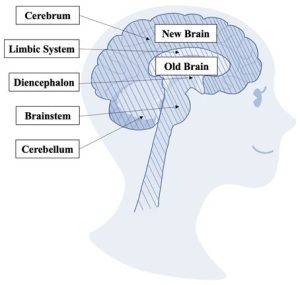
  • Benchmarks (Anthropoetics XXX, no. 1)

    Izumi Dryden is associate professor at Mie Prefectural College of Nursing in Mie, Japan. She teaches liberal arts courses on reading in English, literature and medicine, and communications. Her current research interests include the publications and correspondence of Fyodor Dostoevsky, Anthony Burgess, E. M. Forster, Florence Nightingale, and Charles Darwin, in relation to the influence of William Shakespeare, as viewed through the perspectives of Generative Anthropology.

    Tomoya Fujihara is a graduate student in a Master’s degree program in the Religious Studies department at the University of California, Santa Barbara. His main research interest is occult metahistory seen in the context of Japanese modernization. Through analyzing thought, people, communities, and philosophies of mind that have not been given much attention, it aims to bring to light the “dark side” of Japanese modernization.

    Kiyoshi Kawahara is Professor of translation and interpreting studies at Takushoku University in Tokyo, Japan. He specializes in linguistics, social semiotics, and intercultural communication theory. He is also a Buddhist monk, clinical spiritual care worker and clinical interfaith clergy, as well as a graduate student at a doctoral program in Sophia University in Tokyo. He is now researching the relationship between spirituality and language with the aim of integrating linguistics and religious studies on the basis of Eastern philosophy, and developing and deepening a comprehensive anthropology.

    Gregory J Lobo has taught at the Universidad de los Andes since 2002, in the the Department of Languages and Culture. He designed the MA in cultural studies there. He was a visiting OSUN researcher at the School of Oriental and African Studies for A/Y 2023/34. His latest book is Nationism. In Defence of Open Societies (Alibri, 2024). His current book project is titled In Good Faiths: Religion, Politics, Futures.

    Matthew Taylor is Professor of English at Kinjo Gakuin University in Nagoya, Japan. He has co-authored textbooks, contributed to collections, and published essays in Anthropoetics and Contagion. He was co-organizer of the 2016 GASC conference in Nagoya, Japan, and the recent 2024 conference in Tokyo. He has twice served as guest editor of Anthropoetics, including for this issue, which includes papers from the Tokyo conference as well as his introduction.

  • Agency and Antisemitism

    The idea of questioning another’s “agency” is contrary to our common-sense perspective on human actions, which, aside from purely reflexive acts like pulling one’s hand out of a fire, are understood as having been mediated by one’s “conscience” or moral sense—the source of our intuition of the sacred. Of course we recognize that actions may be performed “under duress,” either by immediate threat of harm or simply by the fact of an obligation, contractual or imposed, to follow orders or obey laws. But the question of agency comes up more significantly in cases where there is no immediate coercion or threat, but where one’s circumstances are considered to be such that “one could do no other”: when my children are starving, stealing a loaf of bread, as in Les misérables.

    What is curious is how the notion of acting without agency, or more precisely, without moral responsibility, is tacitly applied to such actions as those of the October 7 pogrom. Stealing the bread is a crime, but its purpose is clear: preserving the health of one’s family. Killing and raping and burning and torturing peaceful Jews, one might think, can hardly be given a similar justification. Yet it is striking, not to say paradoxical, that even if 80 or 90% of the American population was horrified by these acts, the reactions that had by far the most significant consequences were those of enthusiastic approval, as of responses to intolerable oppression whose cruelty could be measured by the very violence of the victims’ retaliation—and this is to speak of Israel’s closest ally, with the world’s second largest Jewish population.

    That the victims of these acts were virtually all innocent of any prior violence of their own was immaterial; the number of those who shamelessly applauded the perpetrators suggests that for them, not only was the long-term humiliation suffered by the Palestinians far more cruel than the short-term horrors they inflicted in revenge, but it was the very violence of this revenge that proved it. In other words, the more barbaric the acts of vengeance, the less they should be judged by normal moral standards, and the more their perpetrators should be seen as deprived of agency.

    I speak exclusively of the explanations of this behavior offered in the West. The Muslim world requires no such modulation, and indeed is happy to justify this behavior on its own terms with respect to enemies who are not merely oppressors but “sons of apes and pigs.” This position, at least, is wholly consistent with that of the perpetrators. But it is the Western, let us say, quasi-Christian, interpretation that is of interest here: we would never commit such acts, but we justify them, not, as do their perpetrators, as morally correct, but as all the more justified in that we cannot see them as morally correct, only as quasi-involuntary reactions to excessive suffering. In half-remembered Christian terms, these perpetrators are endangering their immortal souls, incurring lengthy stays in Purgatory, perhaps even Hellfire, for reflexively defending their honor against the humiliations inflicted by their oppressors. Who then deserves more sympathy?

    Of course this analysis must remain in a penumbra and not be made explicit, which is why this way of thinking is particularly well suited to persons who, themselves incapable of carrying out acts of the sort committed on October 7, are all the more anxious to identify with the hatred they expressed. Victimary thinking has the virtue of allowing one’s identification with a victim group to marry “Christian” compassion for that group—as justified a posteriori by photographs of ruins and Hamas-supplied death statistics—with a self-righteous hatred for the oppressors fully consonant with the jihadist dehumanization of the enemies of Islam. We should note that although the first of these two attitudes is characteristic of Old Testament morality (care for widow and orphan…), the second is not; “sons of apes and pigs” is alien to the Hebrew tradition.


    The new victimary form of resentment, “White Guilt,” or more generally, Wokism, that reconstructs the sacred around communities of victims, although vulgarly assimilated to Marxism, is quite far from Marx’s original conception of social morality. But as we well know, even the most deliberate implementations of Marxism have always been far from this conception. It is unfair to Marx to attribute to him the horrors of Soviet and all other communisms, even if attempts to implement his way of thinking can be said to have led inevitably to them. Chapter 32 of Das Kapital describes “capitalism” as so to speak evaporating on its own:

    The monopoly of capital becomes a fetter upon the mode of production, which has sprung up and flourished along with, and under it. Centralisation of the means of production and socialisation of labour at last reach a point where they become incompatible with their capitalist integument. This integument is burst asunder. The knell of capitalist private property sounds. The expropriators are expropriated.
    (https://www.marxists.org/archive/marx/works/1867-c1/ch32.htm)

    The source of our so-called Marxists’ political power is not a dream of revolution, but rather Wokism, the complex of White Guilt and its projection onto “deplorables”— which makes, for example, Taylor Swift as the icon of youthful respectability support Harris over Trump. An essential contributing factor to this respectibilization of resentment is the relative inability of the respectable bearers of non-Woke values, such as Nikki Haley or Ron DeSantis, to energize the “deplorable” masses in the place of Trump—of whom my diagnosis as a tragic figure (see Chronicle 677) has never seemed to me more correct, even if his growing list of hopeful assassins hopefully fails to reach their goal.

    One may indeed ask why the deserved prestige Trump acquired in 2016 as the one politically viable Republican candidate to call out what was then PC and has become Wokism required so much “baggage”—above all, the supreme reliance on his “instincts” that would prove over time dangerously inflexible. Would not a Thatcher or a Reagan—even a Bill Clinton—have had the same instinctive understanding of the danger of the victimary? What this suggests is that the epistemology of resentment has progressed to the point that there is no longer a reasonable center in American politics; in terms of both America’s interests and simple morality, respectability itself has become irrational.


    But the 10/7 pogrom also poses an inevitable second question to Western civilization: could this have happened to any group other than the Jews?

    Can the hatred of the Palestinians for the Jews be understood as merely the hatred of the “colonized” for the “colonizers”—even as the unique indefinite prolongation of their “refugee” status to the third generation and beyond signals the unique position of the Jewish nation in a world opinion that in this particular case is unwilling to challenge the Islamic doctrine that what has once belonged to the Waqf must never be separated from it? Is it not evident that the Hamas pogrom provoked throughout the West, on the one hand, little retrospective remorse for the centuries of similar behavior, and on the other, a great deal of sympathy from people one would not previously have suspected of Jew-hatred? Certainly none of the usual Western contingent of victimary classes have in recent memory sought to perpetrate such vengeance on their purported oppressors.

    Rather, the volume and vehemence of the positive reaction to 10/7 suggests not merely that the paradigm of “White Guilt” was applied to the Palestinian “rebellion” against Israel, but that Jew-hatred was really its originary model. All those well-financed and -planned campus and big-city demonstrations were and are expressions of a latent age-old antisemitism for which Hamas’ barbarism supplied the pretext for revival.

    Antisemitism is most simply defined as the hostility of the other Abrahamic religions toward their Jewish “elder brother,” whose seniority with regard to the sacred commands a respect that they experience as a humiliation—and the only truly satisfactory response to which remains Hitler’s “final solution.”

    An important nuance that we might add to this description is that White Guilt, the ostentatious repentance through which the Woke display by example their contempt for the “deplorables” of their race, is denied to the Jews. For Jews, mere sorrowful admission of their sinful status—as in the “land acknowledgements” now commonly heard on university campuses—is insufficient. Rather they must demonstrate active hostility to Zionism—in the present case, support for the 10/7 “freedom fighters.” Or at the very least, lest they be accused of supporting “genocide,” Jews must declare their full support for the “two-state solution”—which we all know the Palestinians will always reject but gladly use as a pretext. This must of course be rigorously denied, so that their constant refusal of Israeli offers be taken not as a sign of obstinacy but rather of Jewish hypocrisy in providing “unsatisfactory” proposals. The Democratic Party’s support for this position, along with its unchallenged “generosity” to Iran, has endured ever since Barack Obama took control of the party in 2008.


    Rather then coming to Israel’s defense in the current crisis, the vast majority of the world’s nations have been happy to side with the terrorist armies that constantly attack her with both missiles and individual acts of terror. UN resolution GA/12626, dated 18 September 2024, self-described as “a historic text demanding that Israel brings [sic] to an end its unlawful presence in the Occupied Palestinian Territory” (i.e., the entire “West Bank,” including the Old City of Jerusalem!), passed 124-14, with 43 abstentions. Of major Western nations, only the US and Hungary voted against, and most voted for the resolution, including Belgium, Finland, France, Greece, Iceland, Ireland, Japan, Norway, Portugal, and Spain.

    The UN has long been hostile to Israel, but its membership’s overall willingness to support this resolution at a time when Israel is fighting one of its most crucial battles is a sign of not just the persistence of antisemitism but its near-universalization. Thus the question of agency with which I opened this essay must be understood in a “cosmic” sense: the most intrinsically evil acts, the rape, torture, and murder of helpless victims that took place on October 7, 2023, provide evidence to the vast majority of the world’s nations that the nation whose citizens were the victims of these acts is the veritable source of the world’s evil.

    I do not think it suffices to treat the persistence of Jew-hatred as mere inertia. It is clearly integral no longer merely to the Western but to the global world-view—as broadly shared by America’s allies as well as its enemies, along with the dominant faction of what is currently her ruling political party.

    Thus the ingenuity with which the recent beeper-walkie-talkie explosions were organized can be seen as just one more demonstration of the sinister agency of the Jews, one that obliges us to excuse and sympathize with the crude “acting out” of the frustrated Hamas torturers and rapists. How else could we expect “normal persons” to react to evil so ingeniously implemented? Here then is a chance for the whole world to come together, capitalists and communists united in resolve to protect the martyred Palestinians from the people who have served once more as the world’s ever-renewed source of evil.

    In closing, we should note that what now seems globally evident was only potentially so a generation ago, and reflect on the fact that the actualization of this potential could only have been the product of a world-historical will.


    Postscript: But the news isn’t all bad. On September 24, as Biden at the UN called for peace between Israel and its enemies without taking sides, I was pleasantly surprised to read that Hillary Clinton, a figure of what we can now call the “old liberalism,” spoke out against the anti-Israel protesters at Columbia; Michigan’s Democratic Governor Gretchen Whitmer defended her Jewish Attorney General against what she characterized as Rashida Tlaib’s “antisemitic” allegations—and the Muslim mayor of Hamtramck, Michigan endorsed Donald Trump for president!